I worked intensively on my thesis from the Autumn of 2023 to May 2024. Several smaller and larger series of paintings as well as objects were created. The chosen theme of the thesis from the beginning was Corpus, Corporeality, Carnality, however the works presented below do not relate purely to the chosen assignment. In the course of the work, the theme naturally began to evolve until it shifted to the theme of transformation. I begin my description of each series anachronistically.
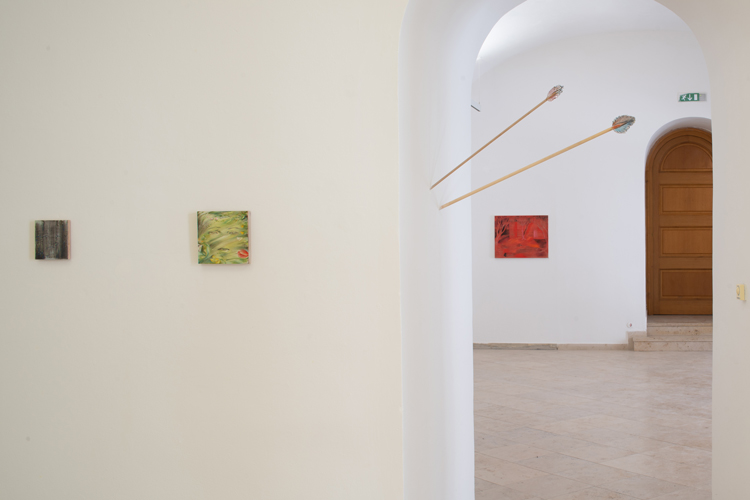
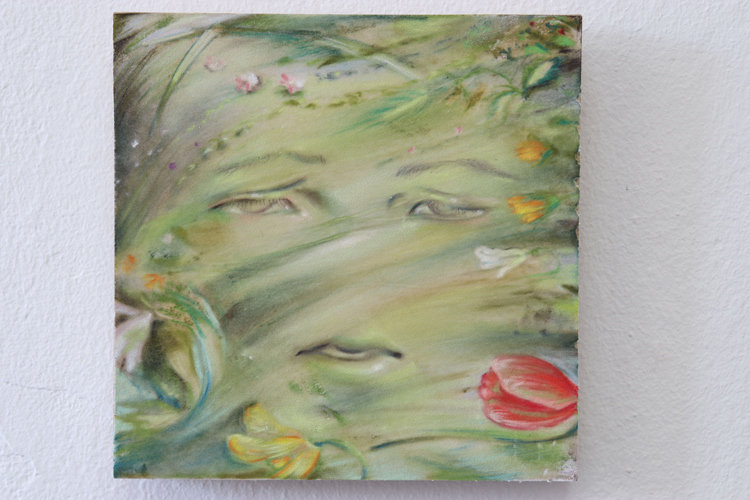
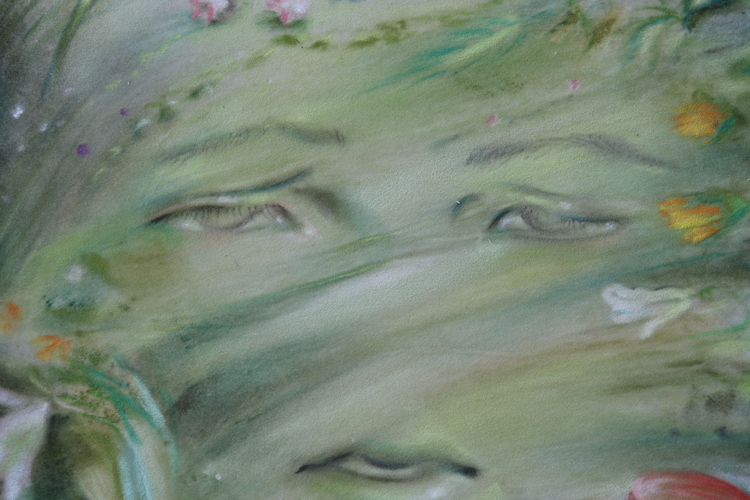
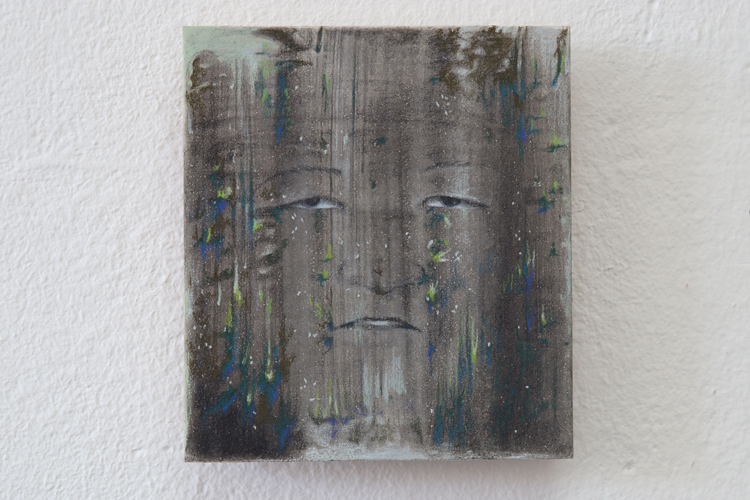
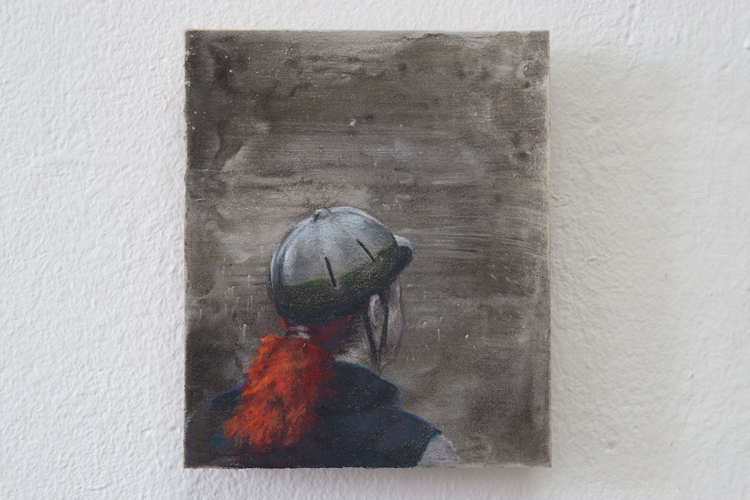
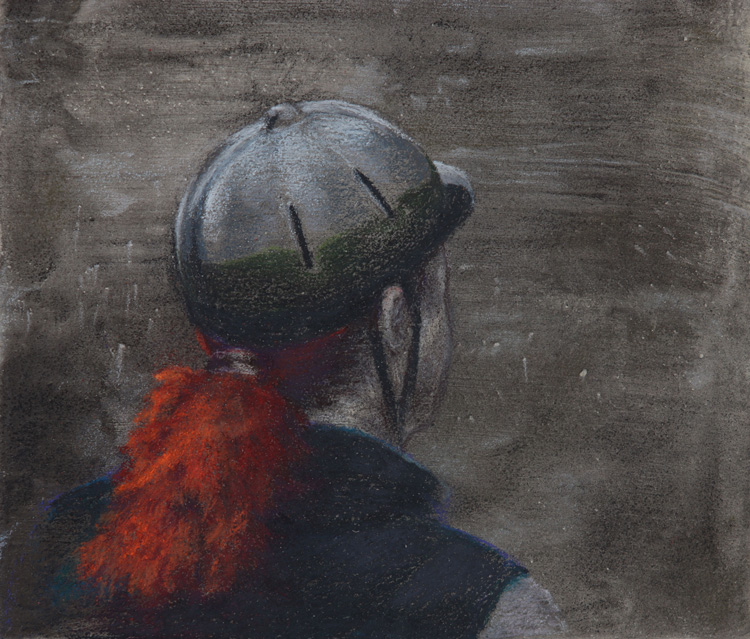
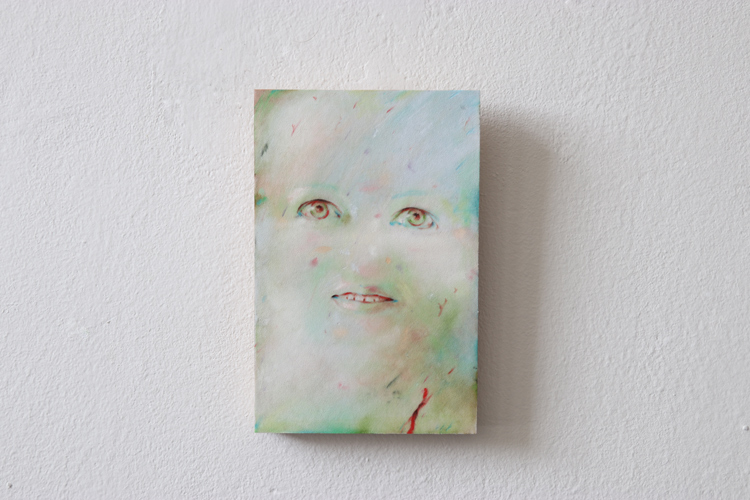
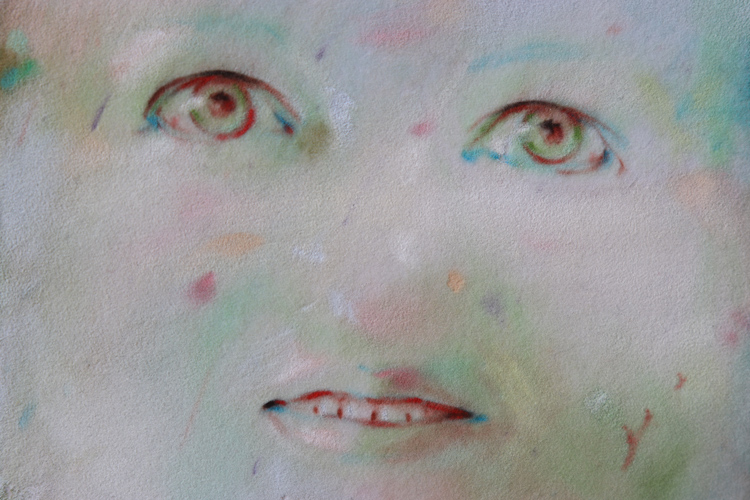
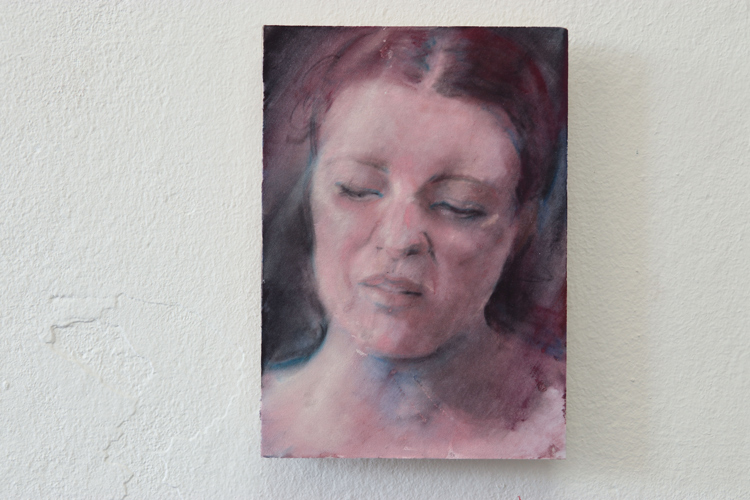
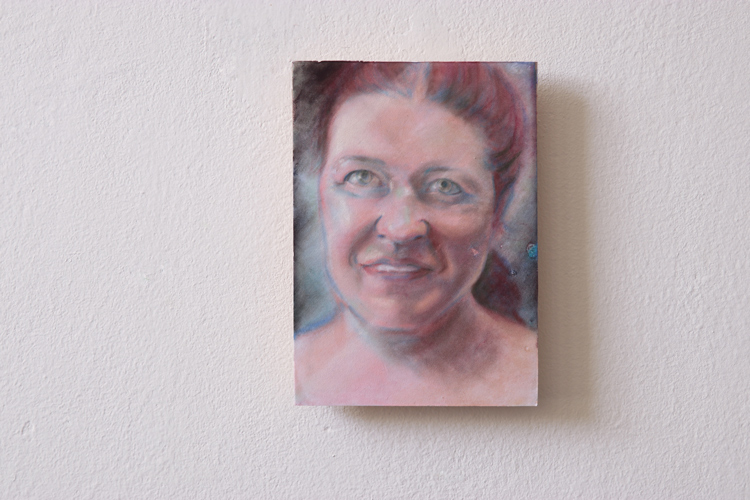
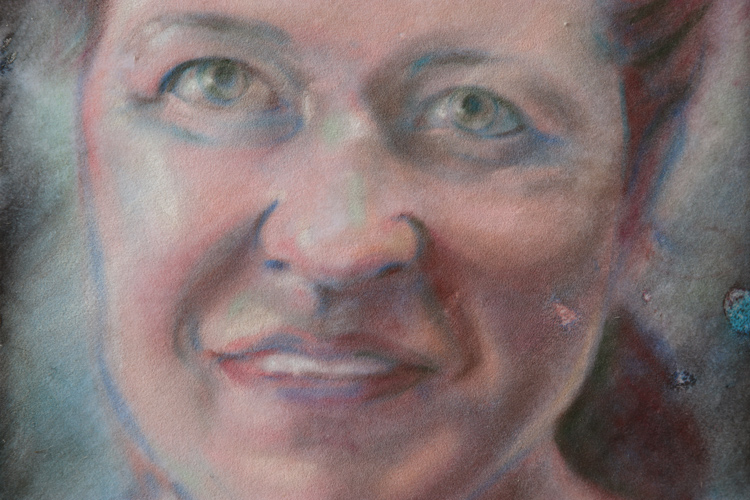
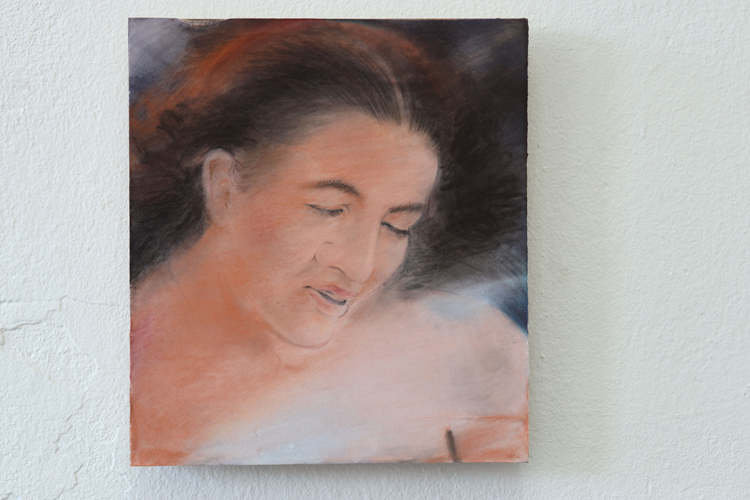
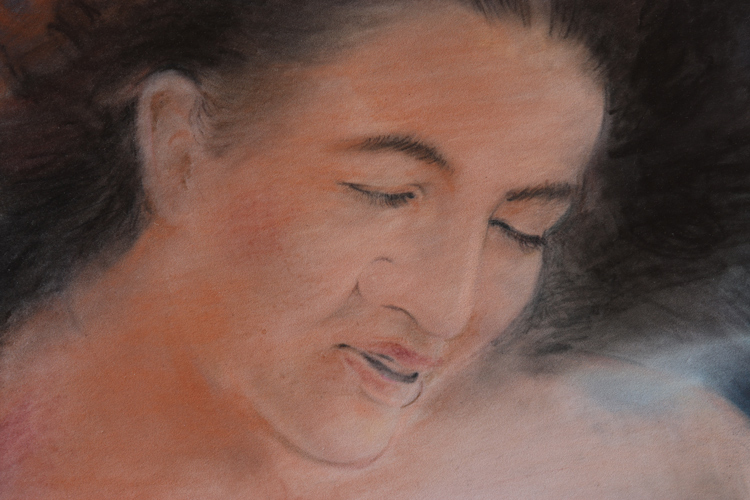
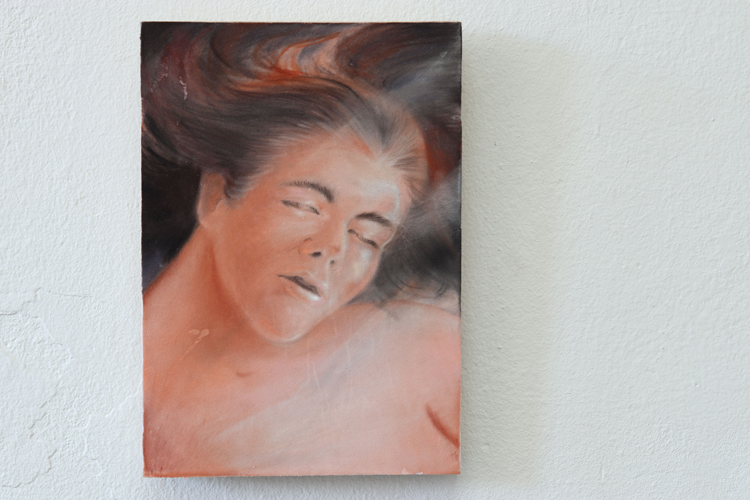
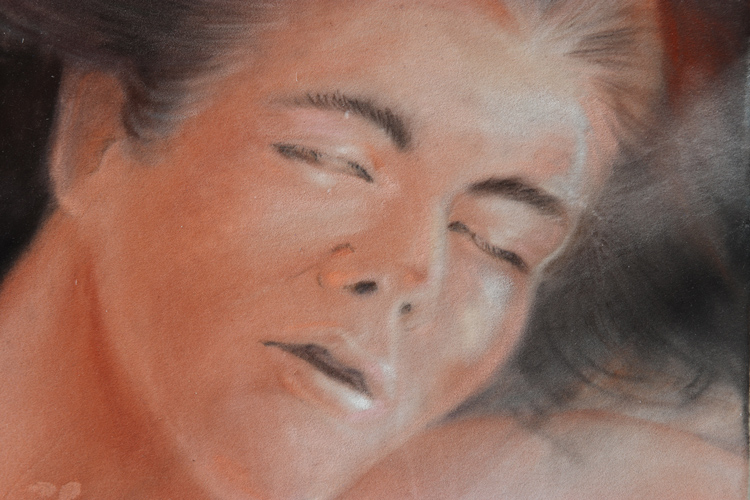
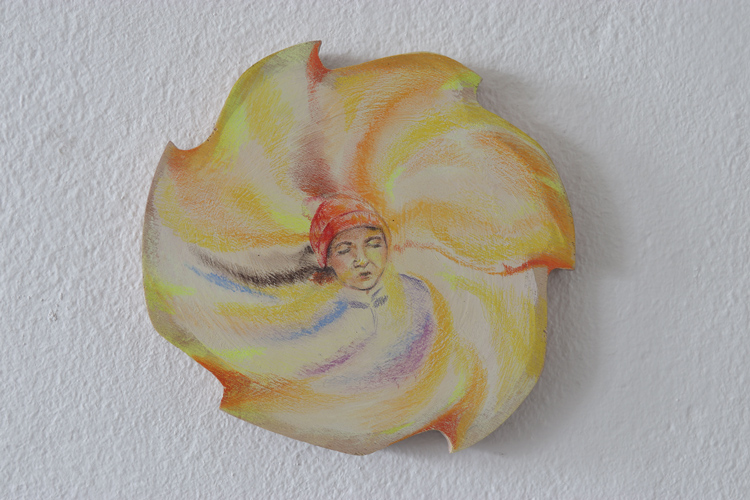
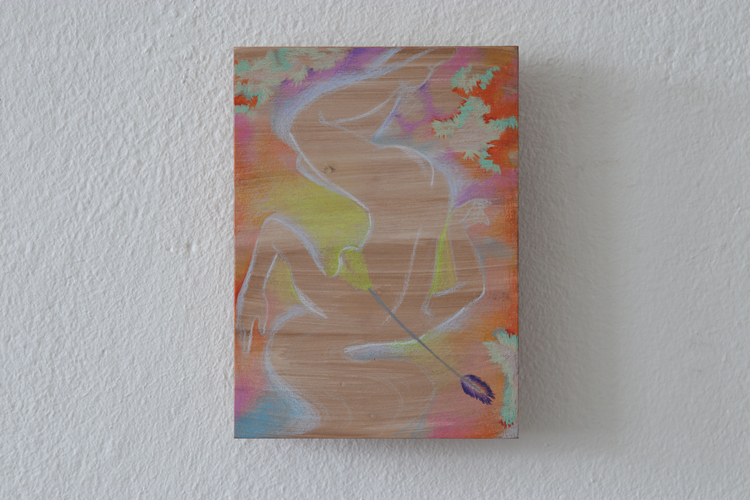
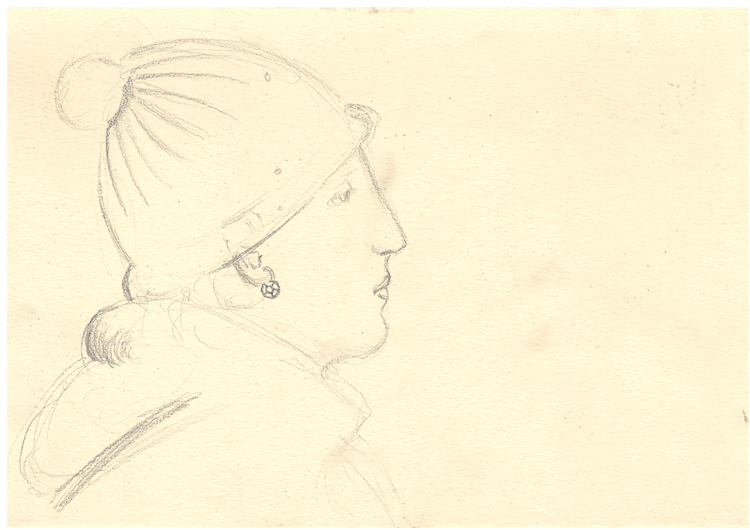
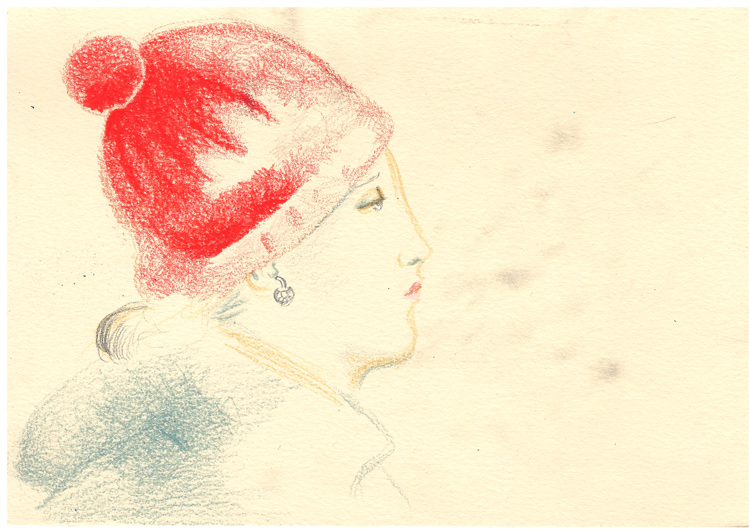
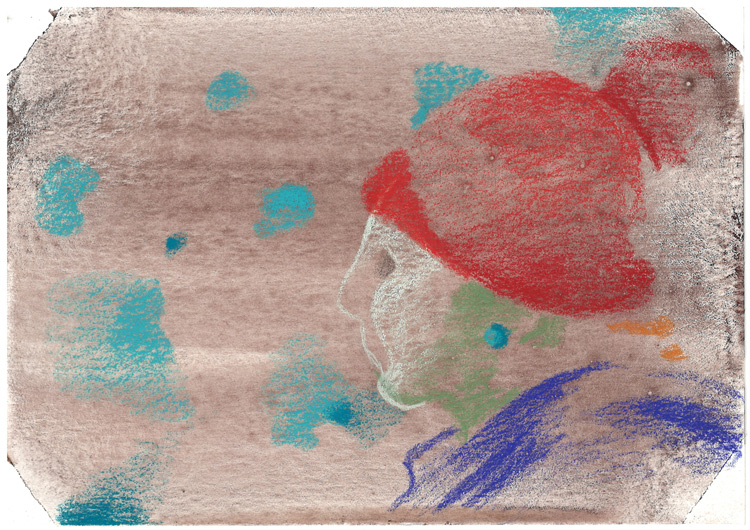
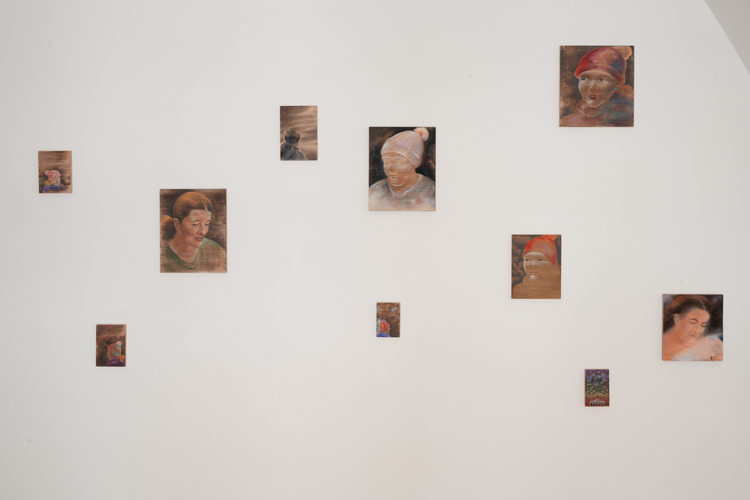
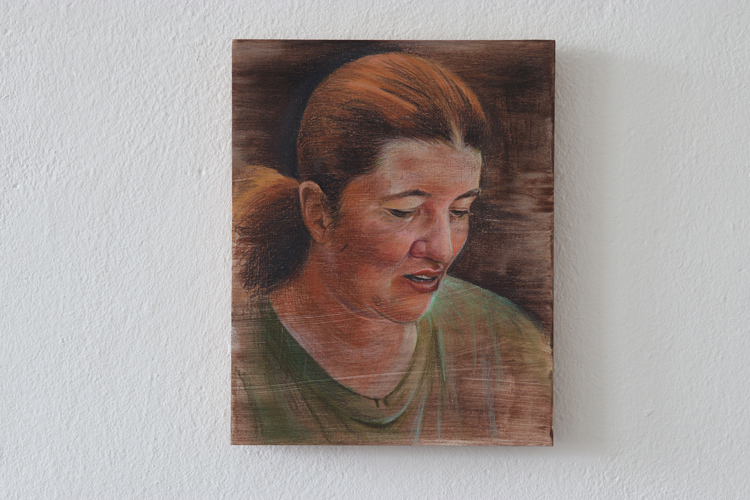
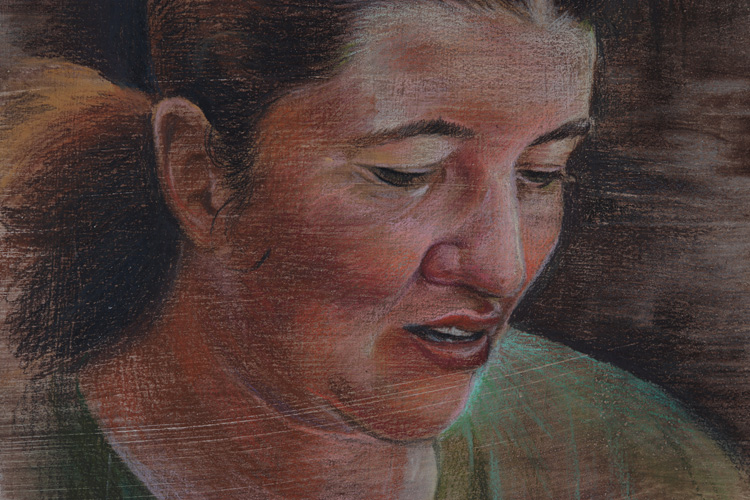
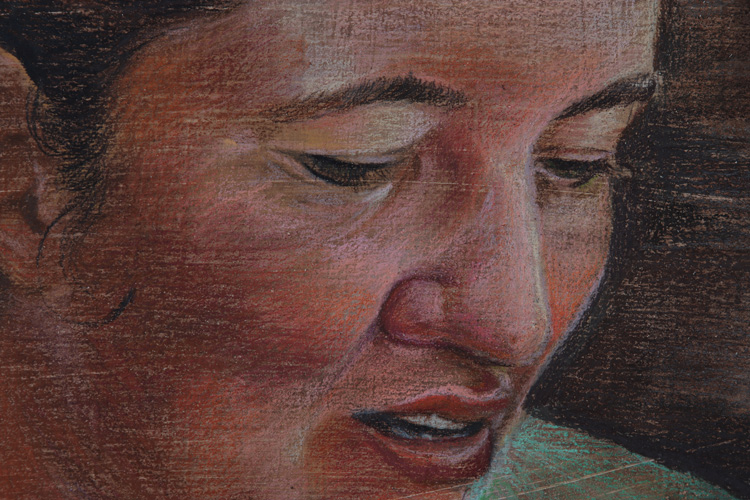
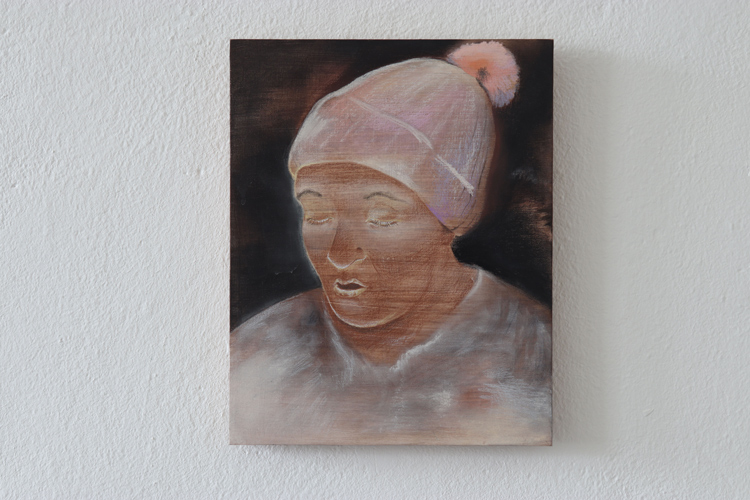
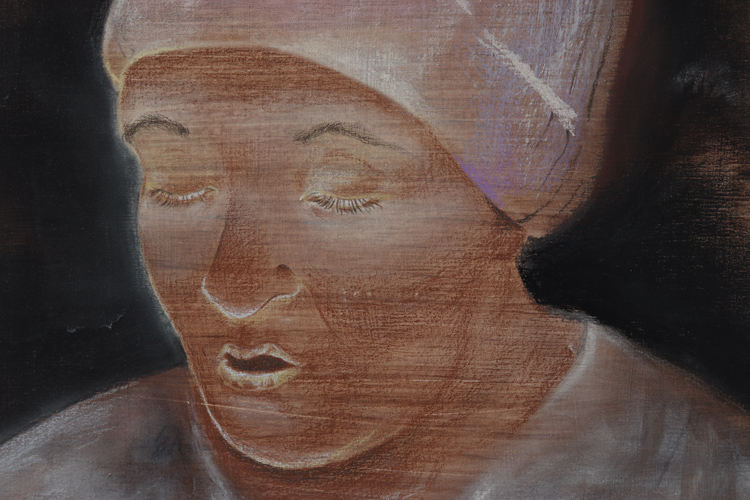
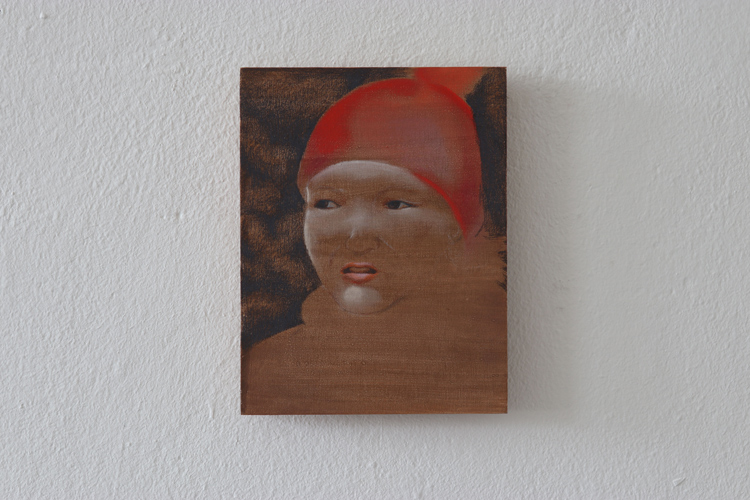
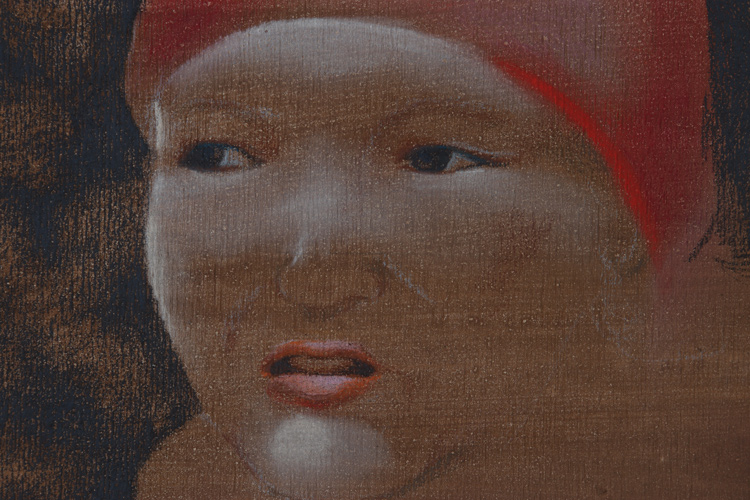
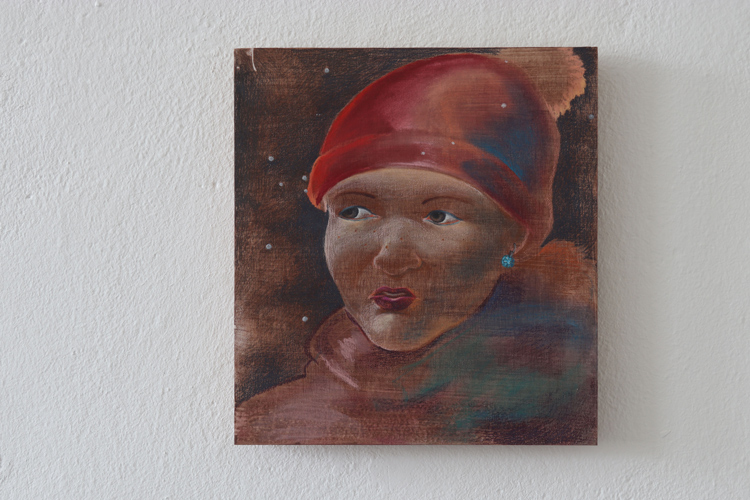
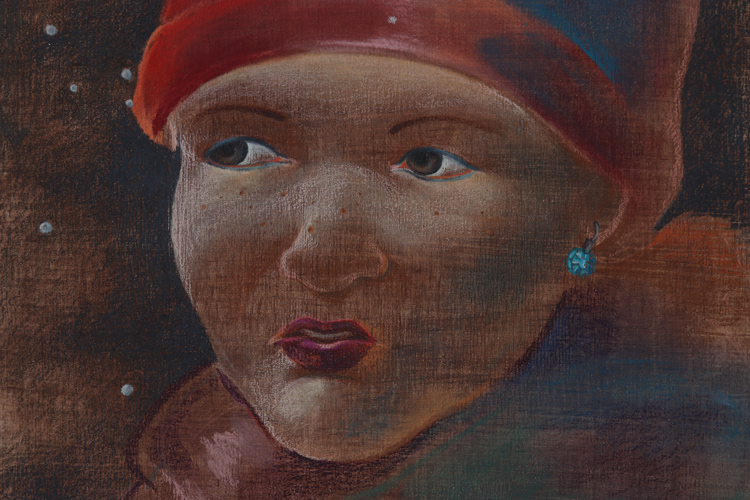
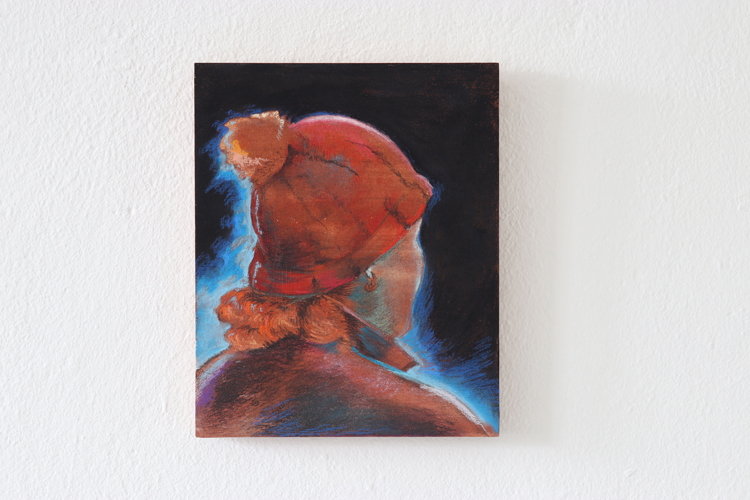
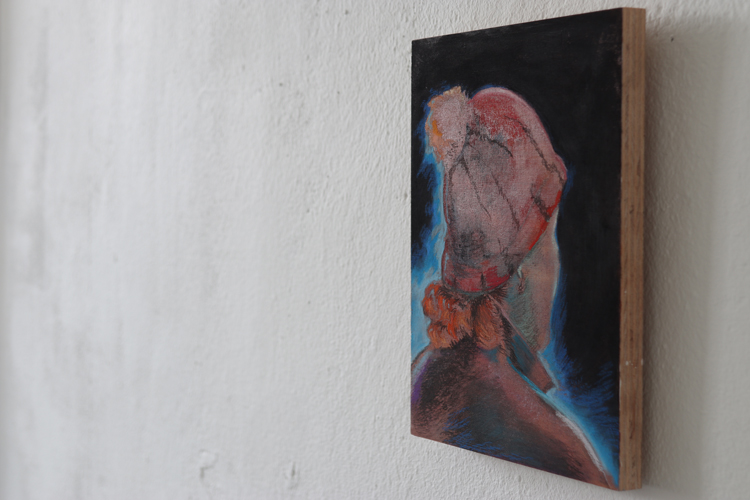
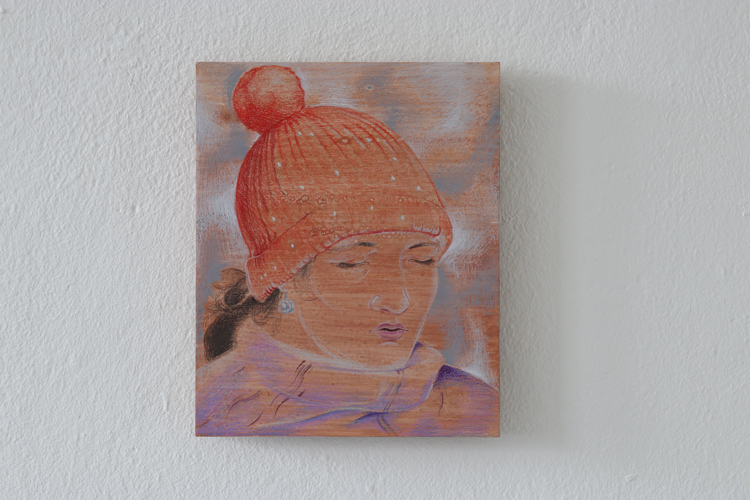
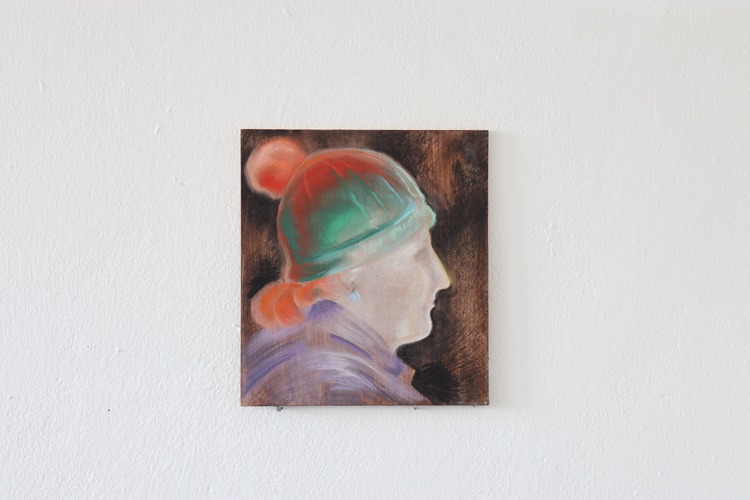
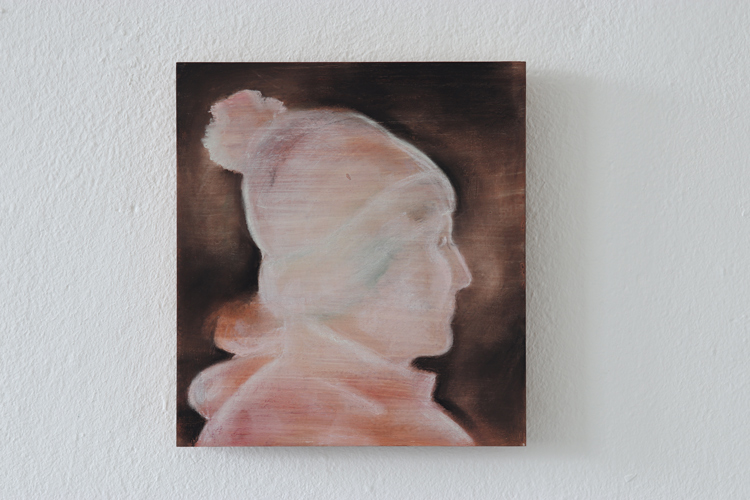
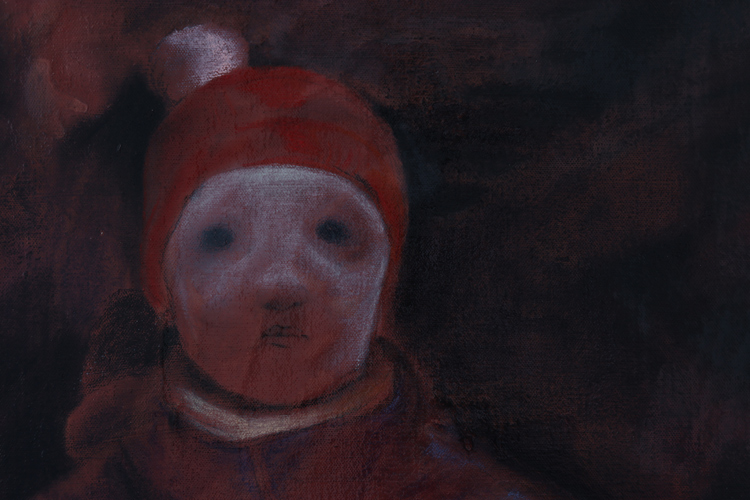
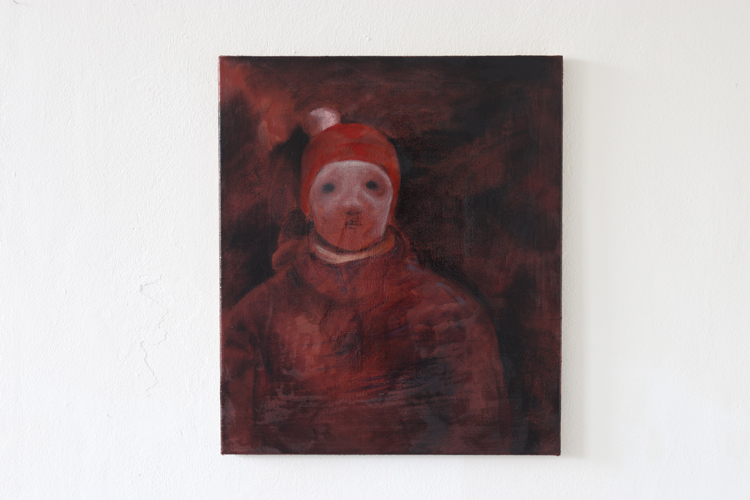
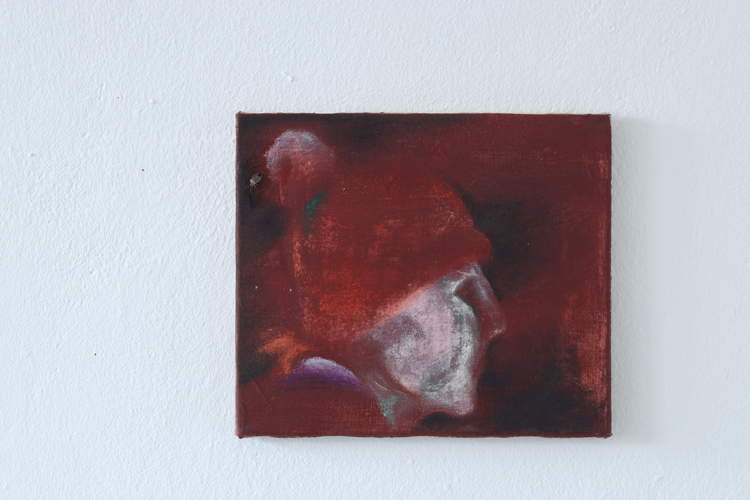
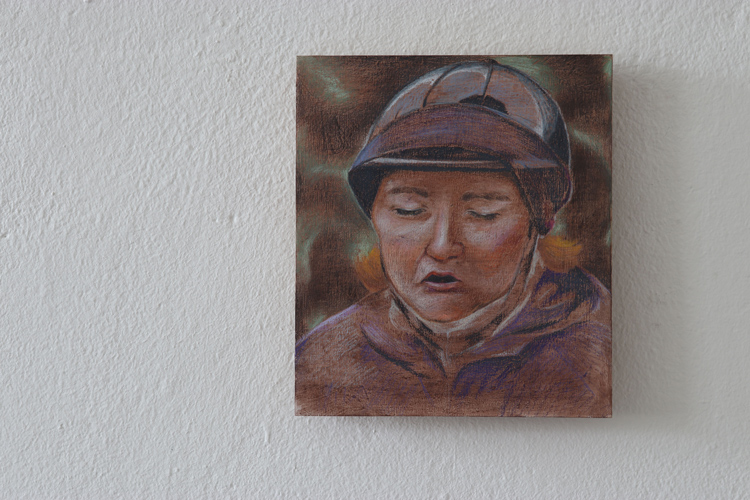
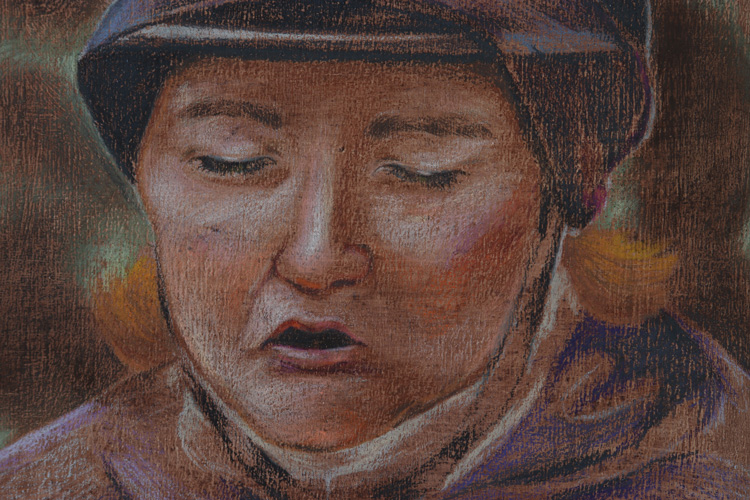
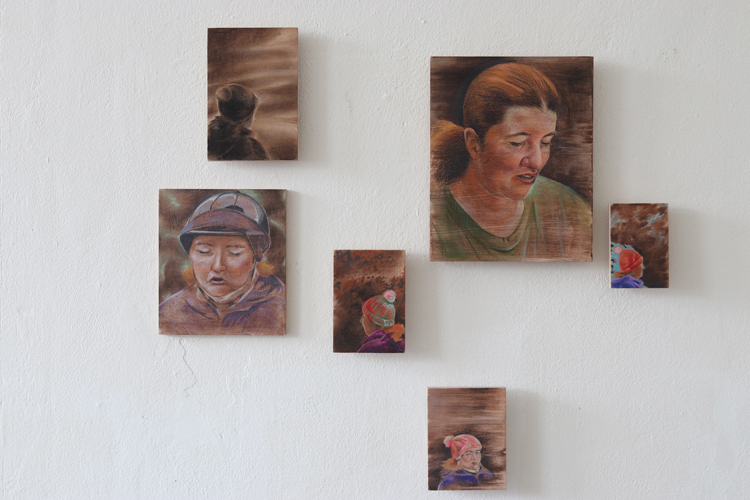
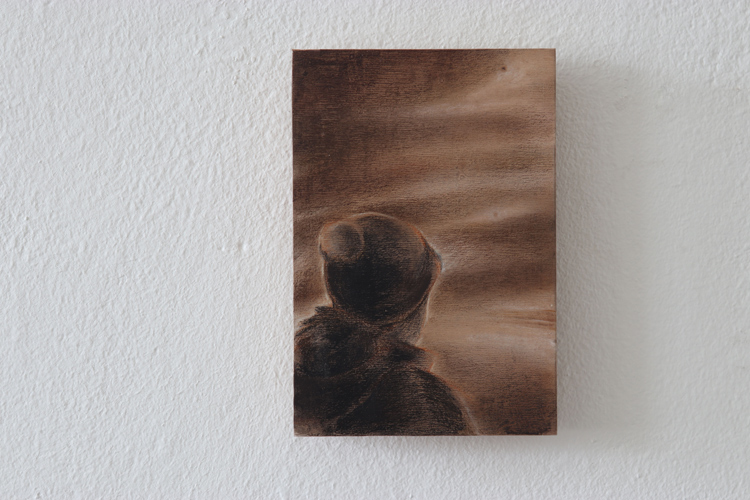
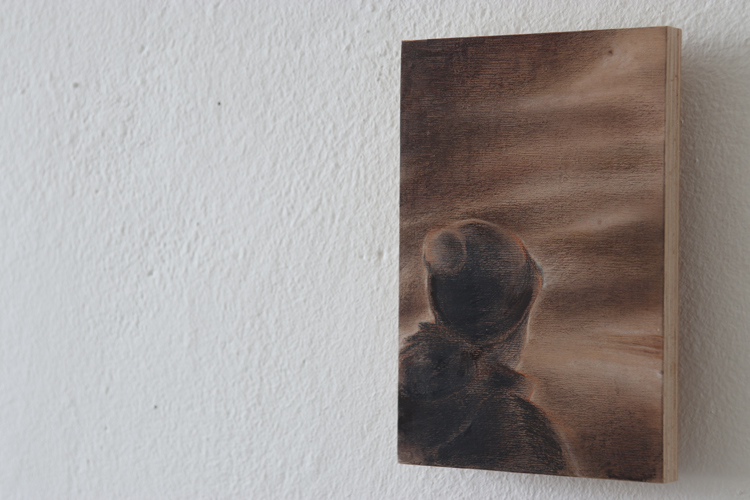
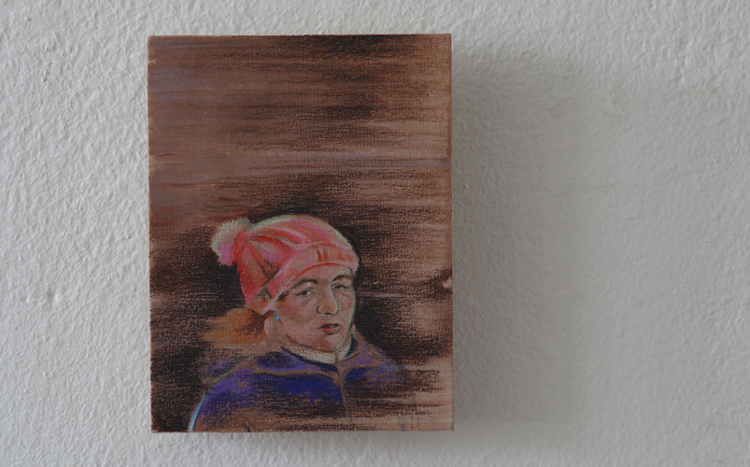
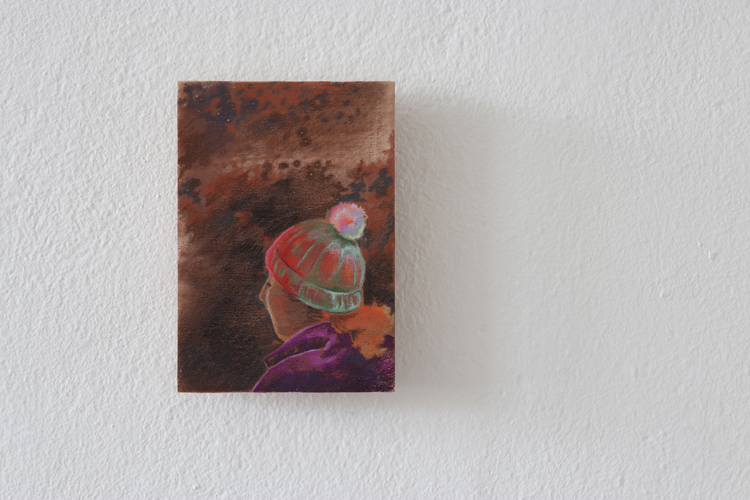
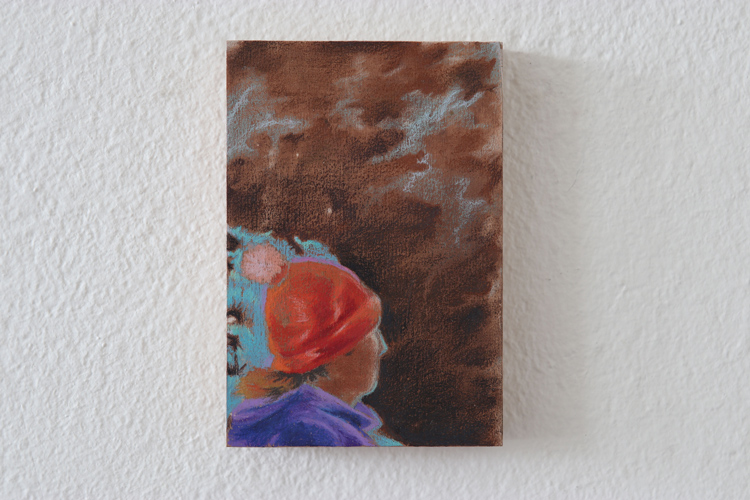
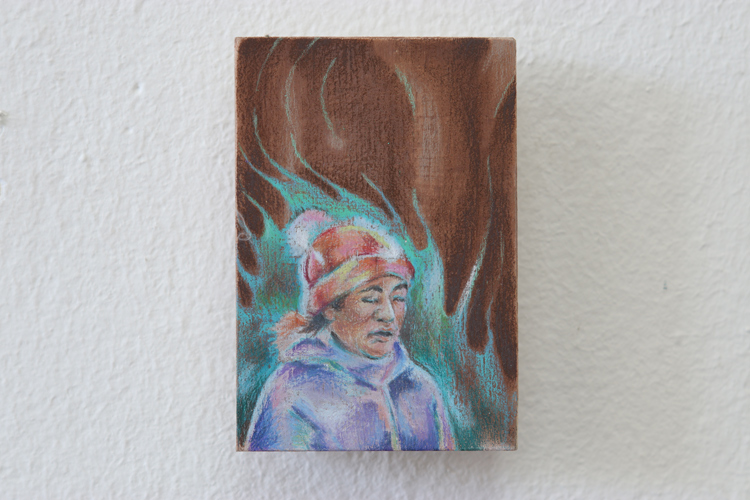
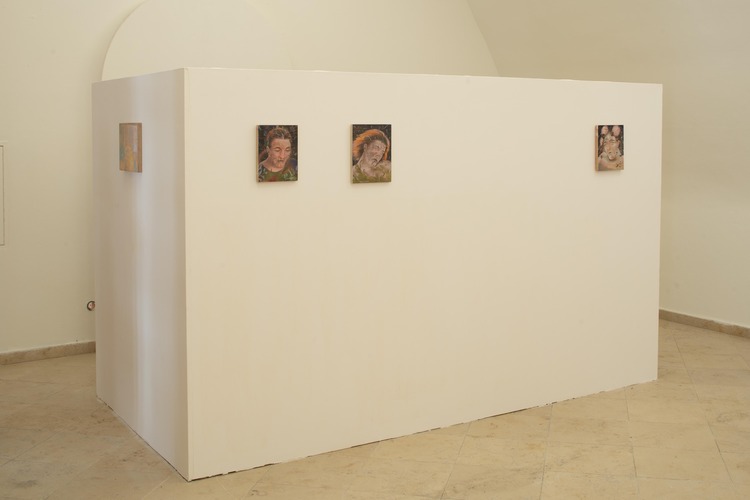
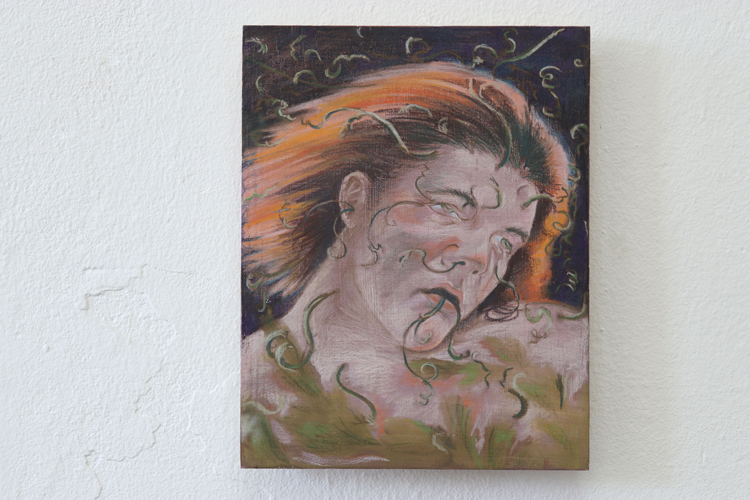
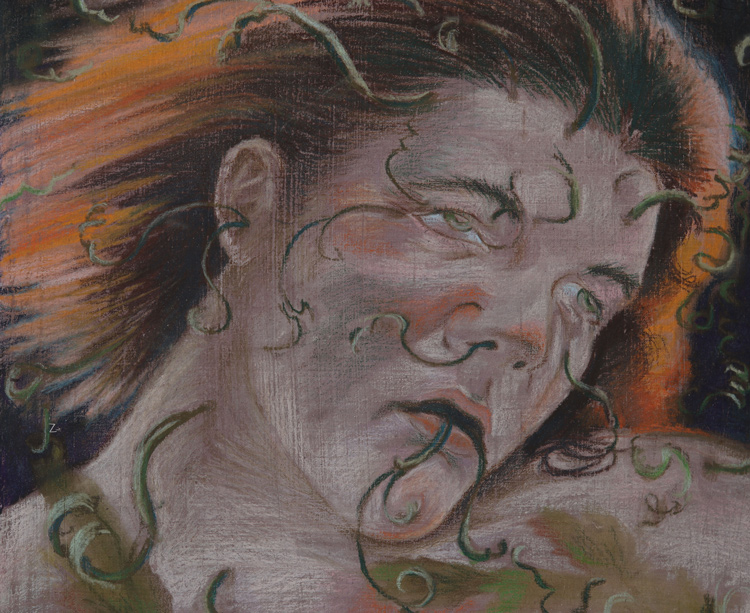
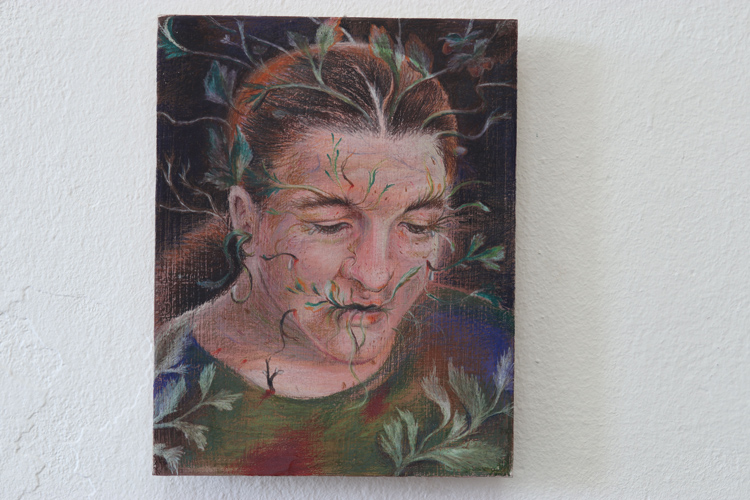
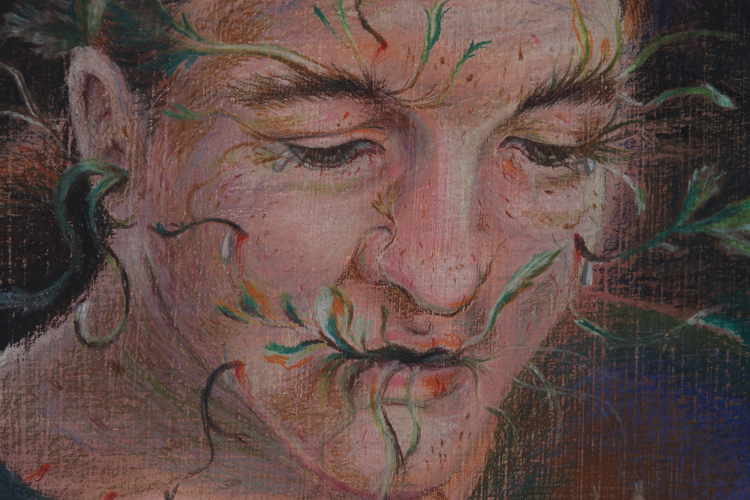
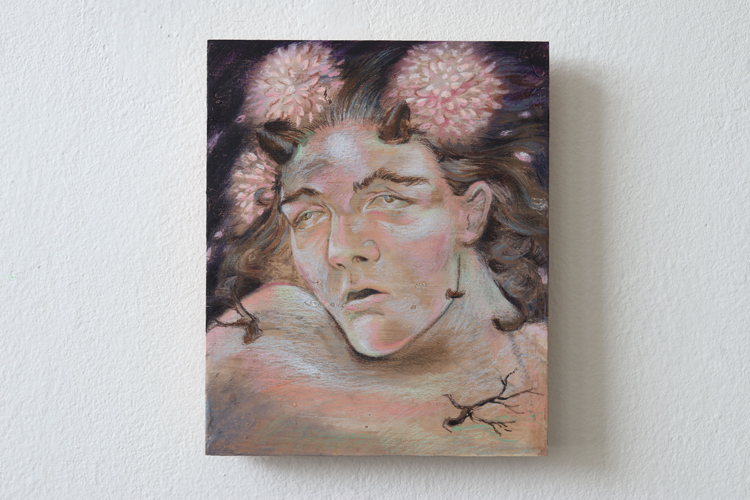
My friend Iva, with whom I share a passion for horses, has become an essential figure in the painting. Unlike many of the previous paintings, where horses played a fundamental role, here it is Iva who comes to the fore, and with her we discover together the landscape of her home on horseback. I created a series of portraits (the oldest in a red cap) that relate to a specific moment that occurred on New Year's Eve in 2023. I portrayed my friend in special moments, with her eyes wide open and her mouth slightly agape. For the painting I used photographic subject matter to a greater or lesser extent, but I also worked from memory. In my portraits, Iva gradually began to undergo a transformation, a transformation into an organic form. This metamorphosis became in my painting series a method of allowing the abandonment of the human form, and the human suffering sometimes associated with it. Metamorphosis is a certain starting point in this context.
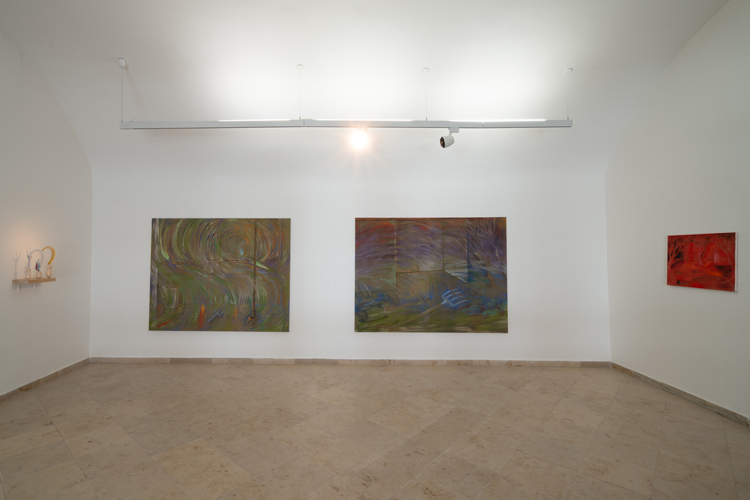
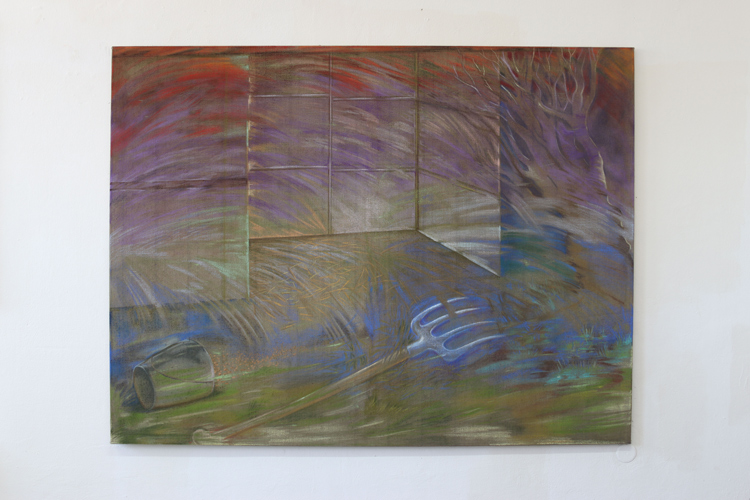
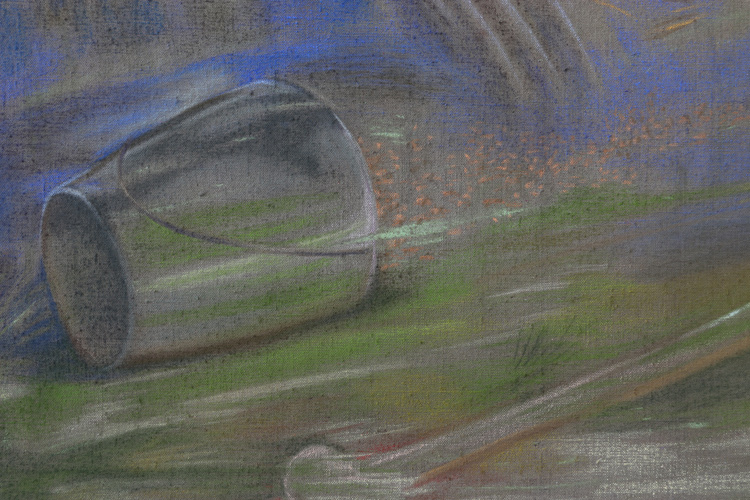
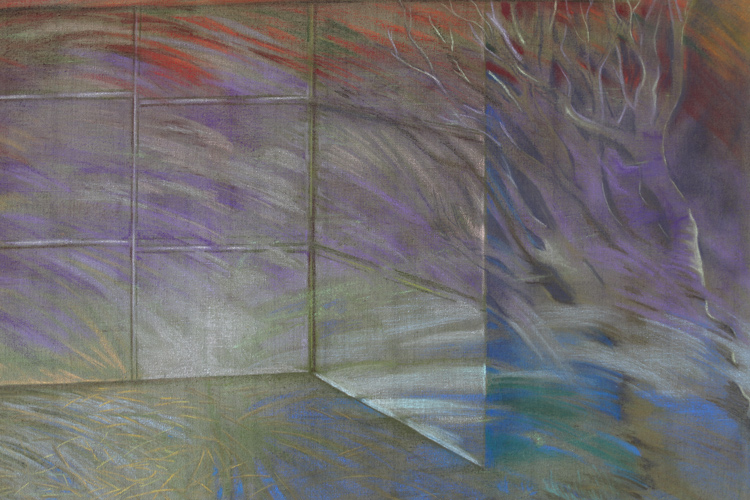
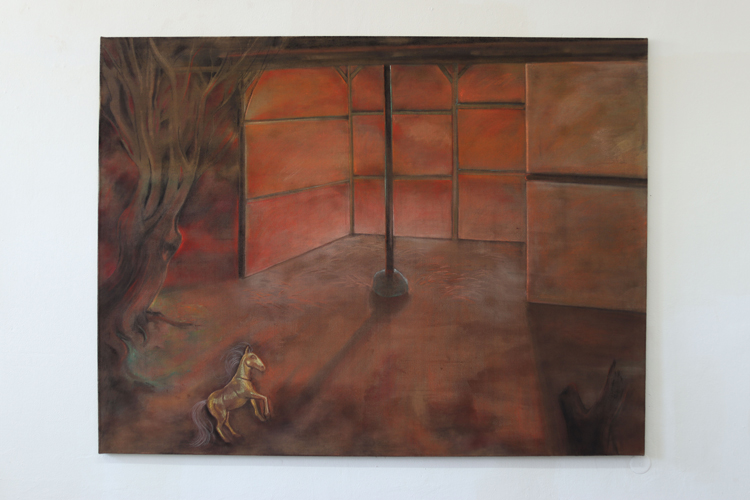
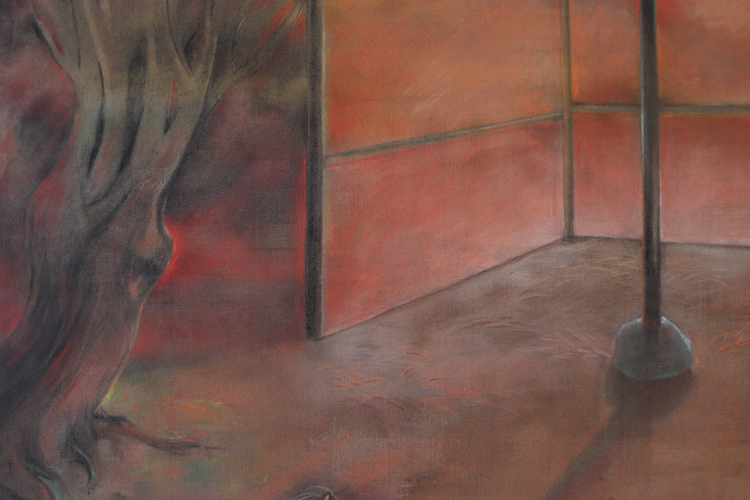
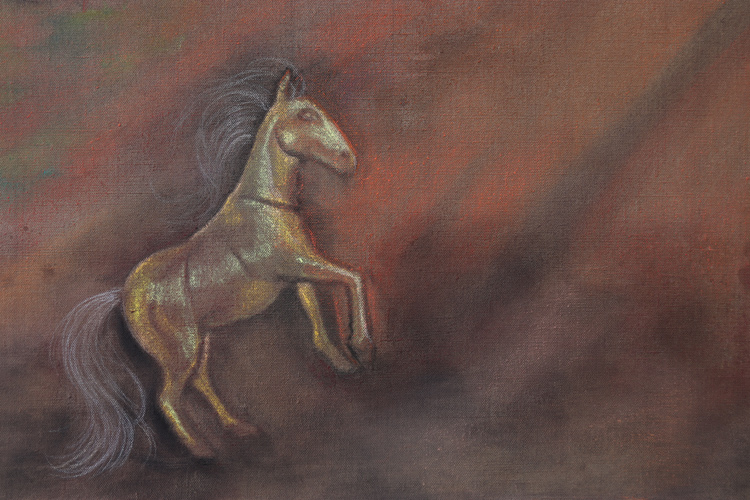
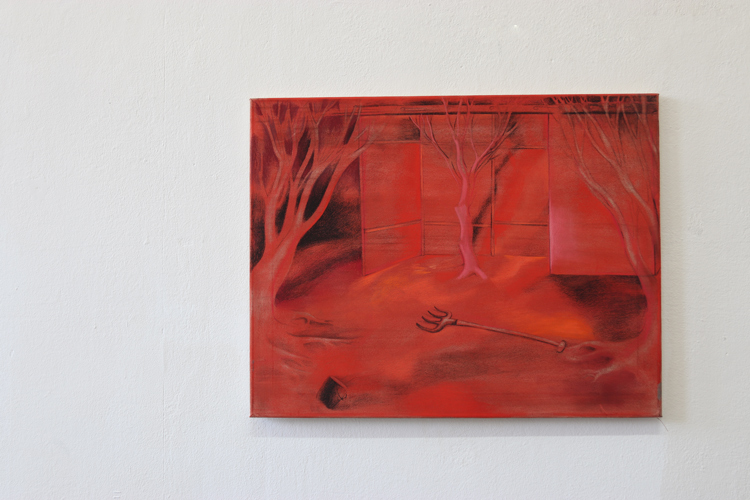
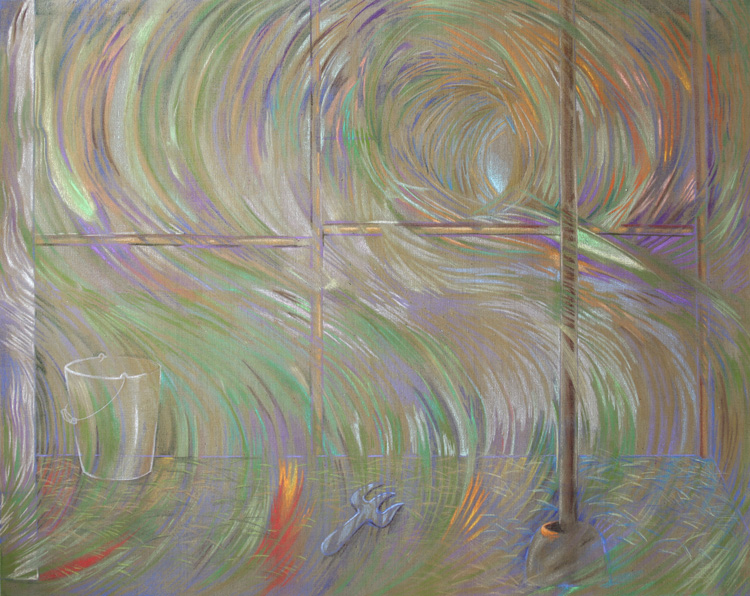
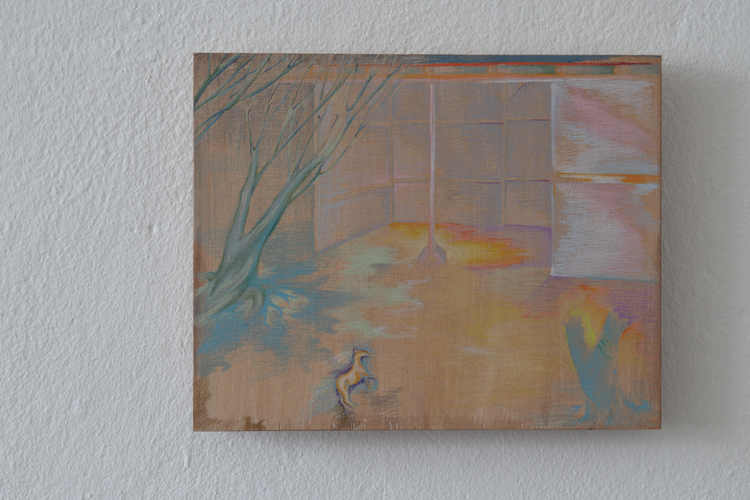
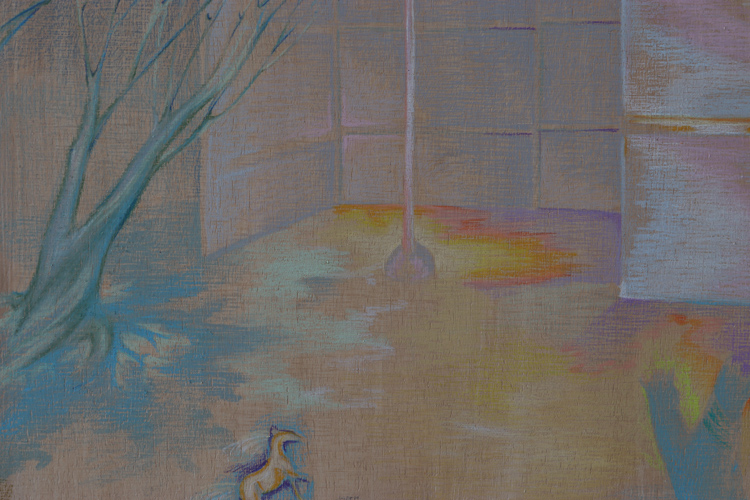
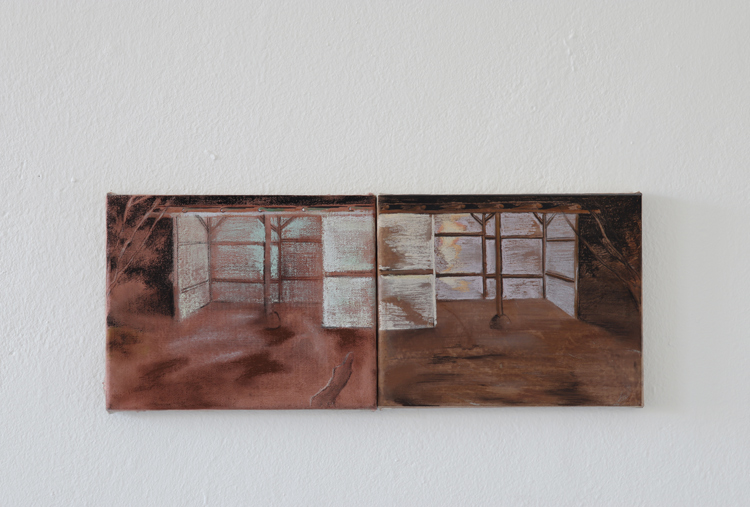
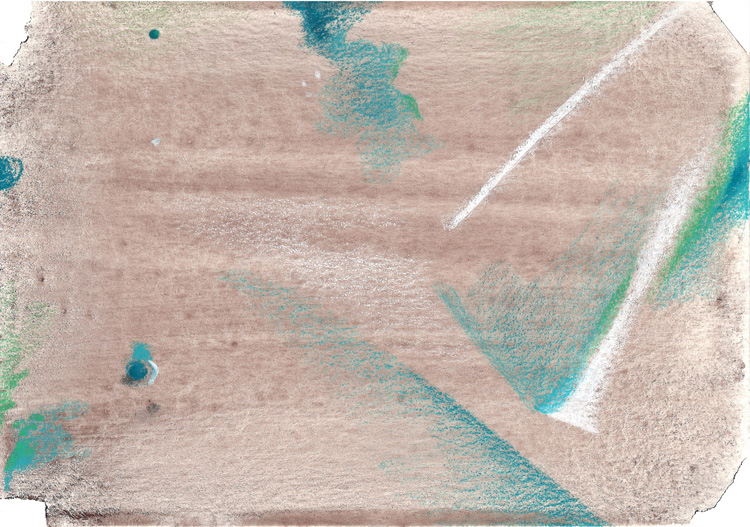
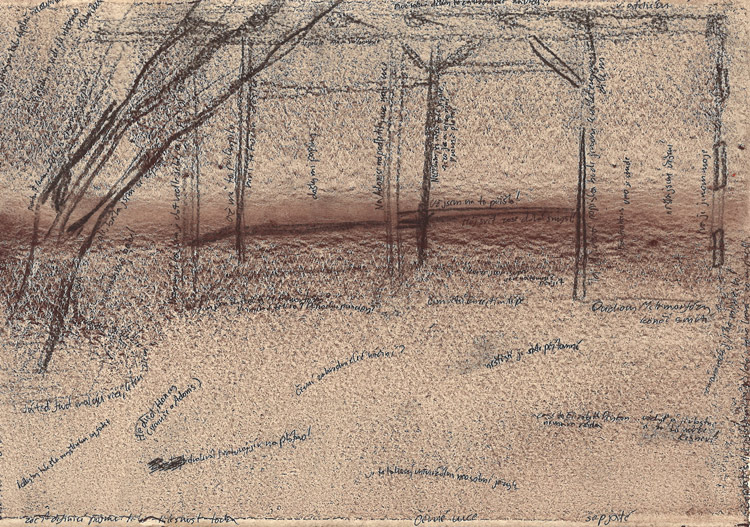
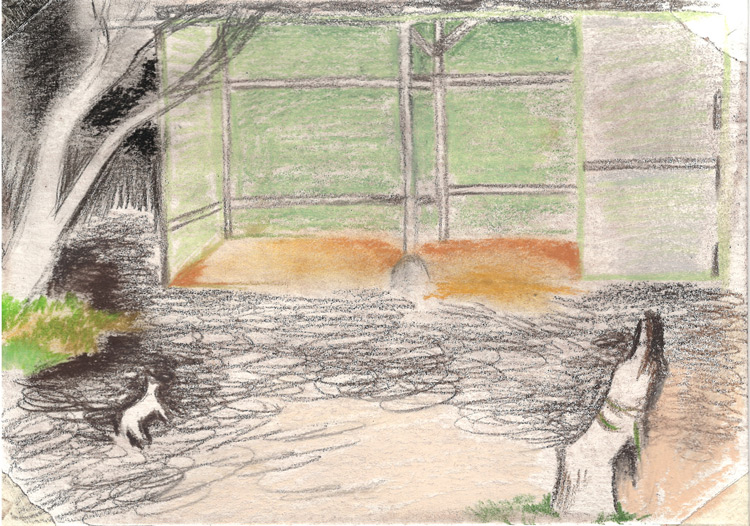
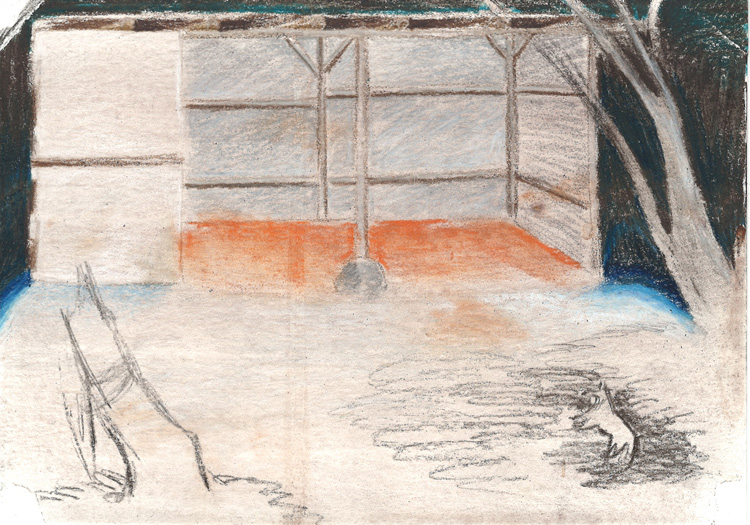
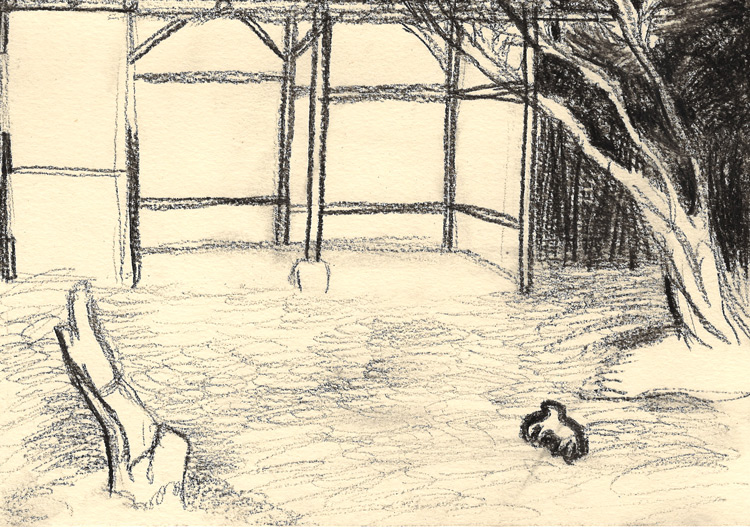
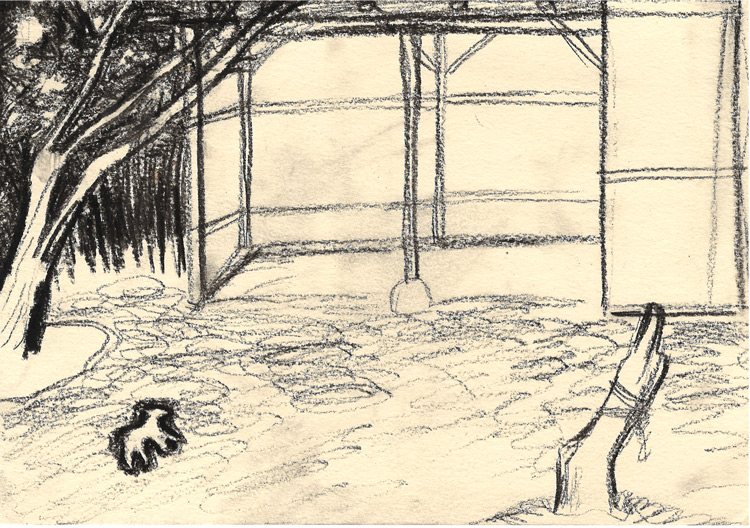
Further on in my thesis I painted a shelter for horses. The actual shelter that inspired the paintings is located in my friend's backyard and is used for the horses we both ride together. However, I did not try to portray the shelter realistically, but related it to the person of Iva. First it became the scene of paranormal phenomena (images such as Honey, it's haunted...), as one such paranormal phenomenon took place right in my friend's house. In subsequent paintings, the shelter itself began to undergo a transformation, as did Iva's portraits.
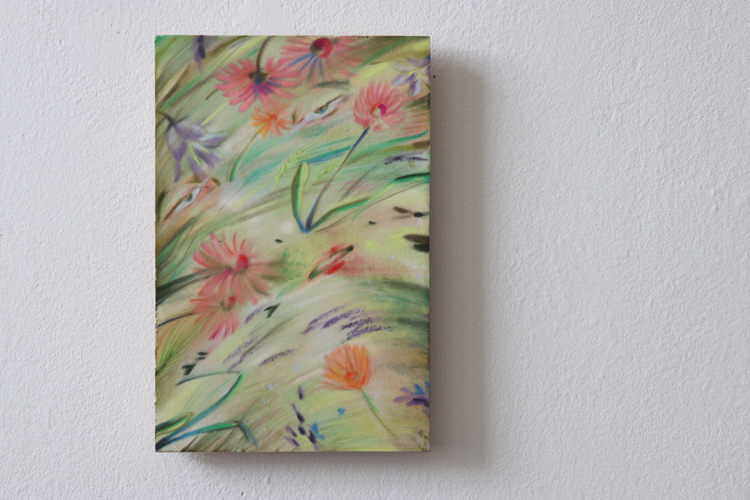
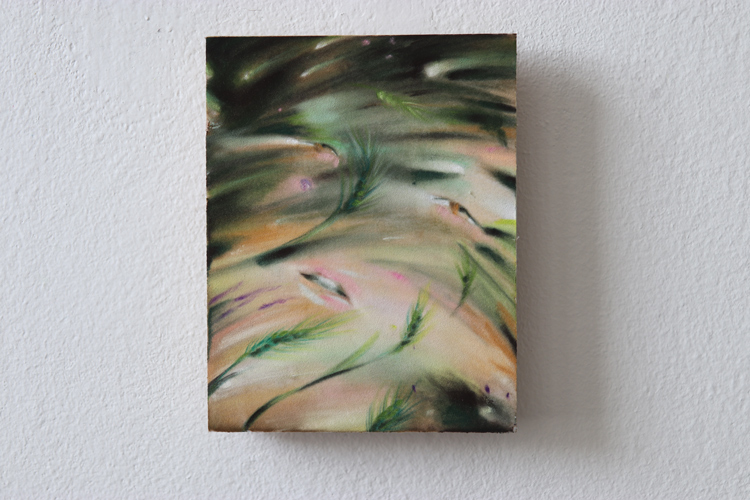
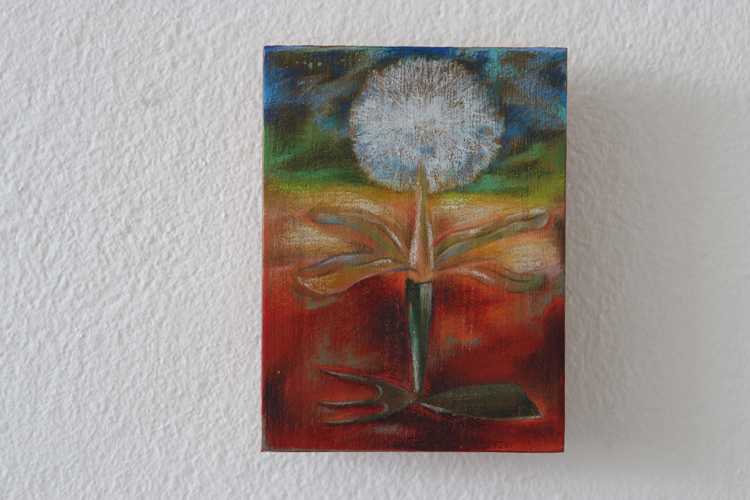
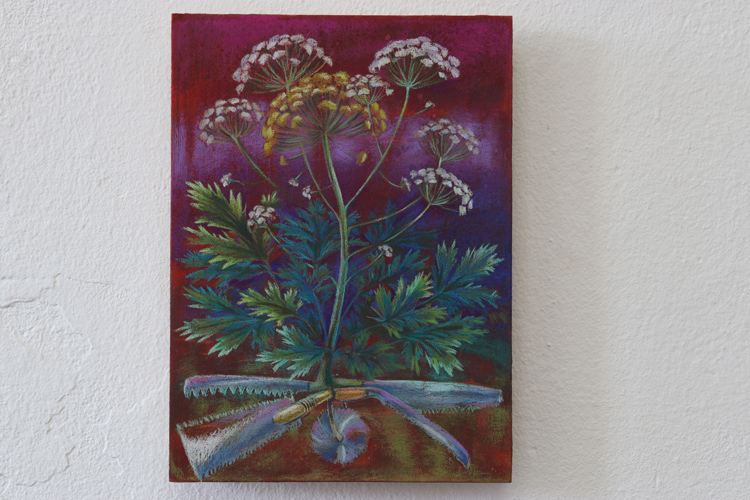
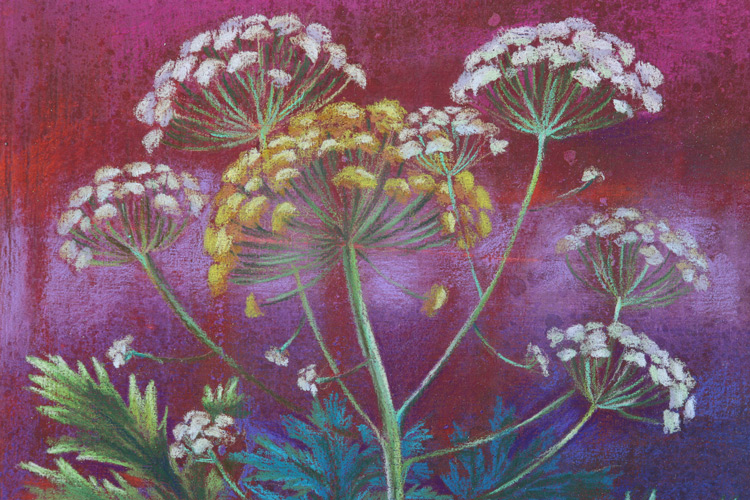
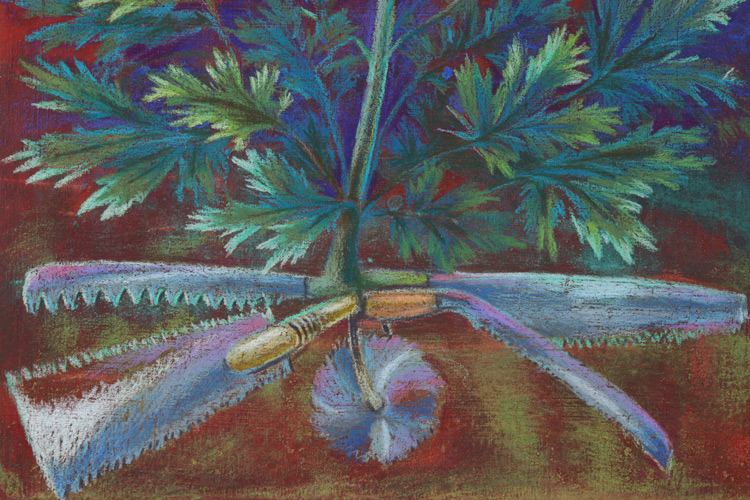
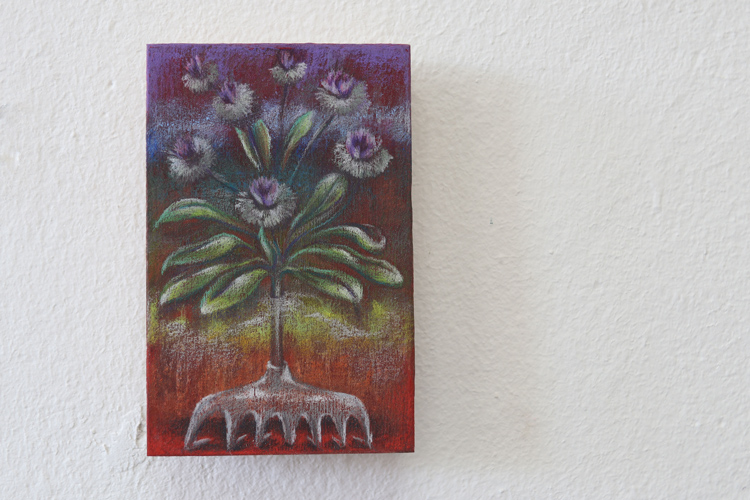
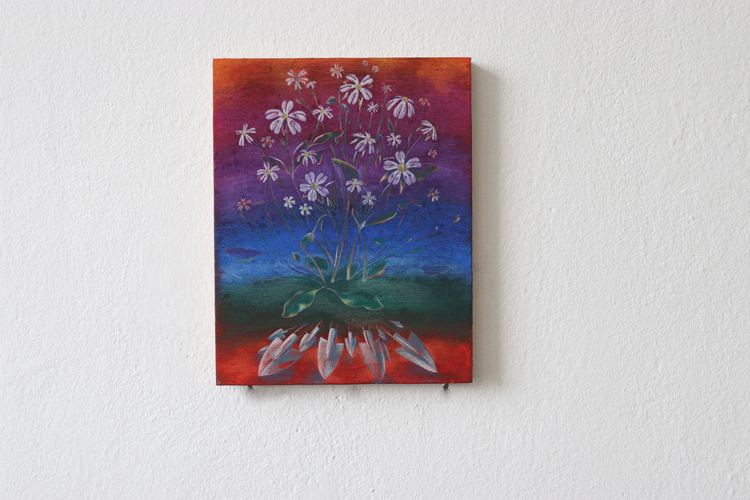
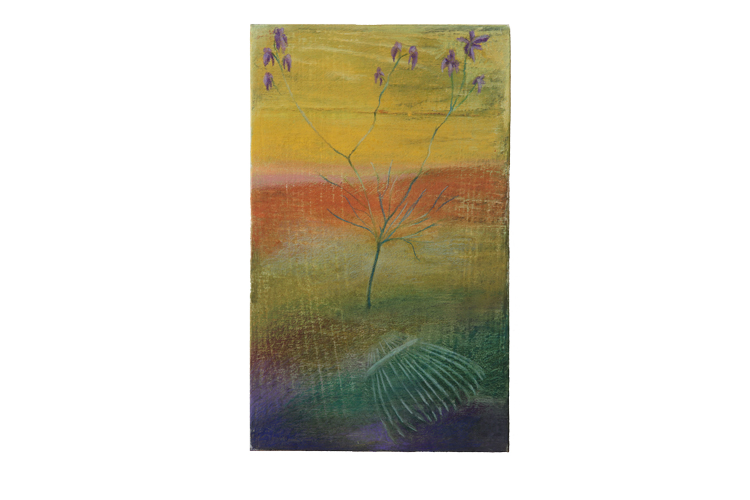
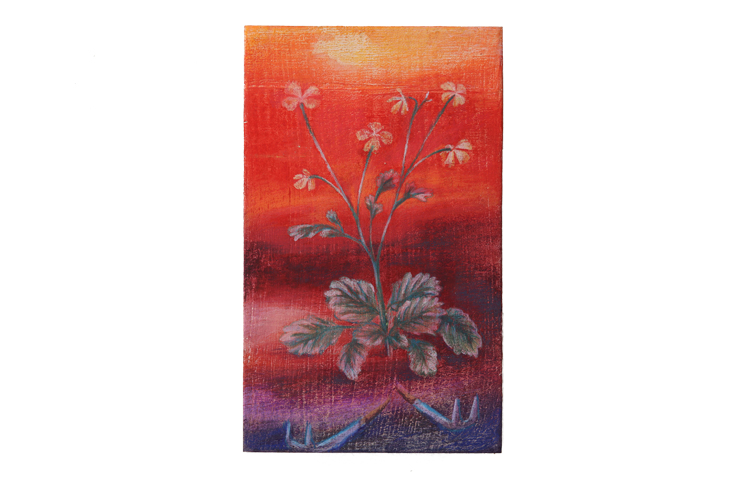
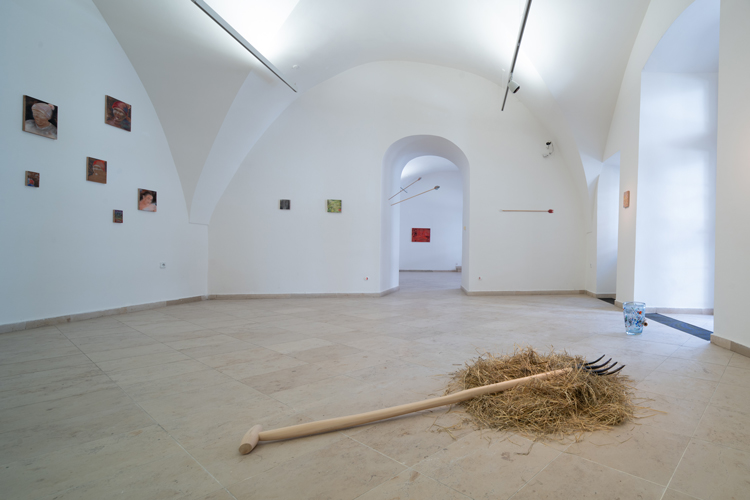
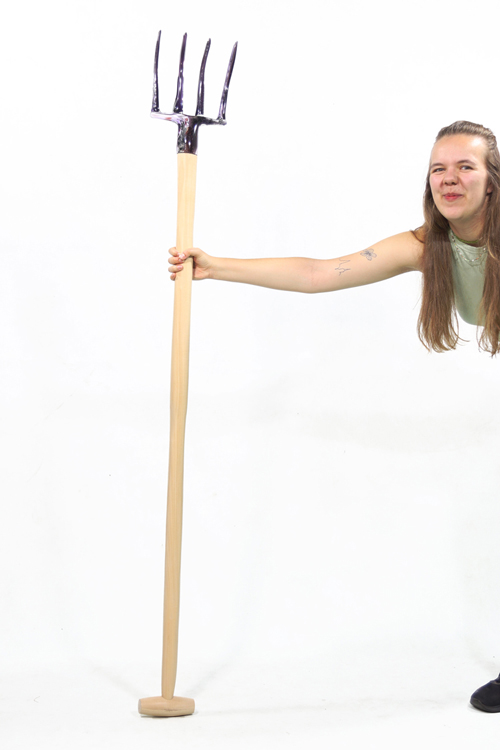
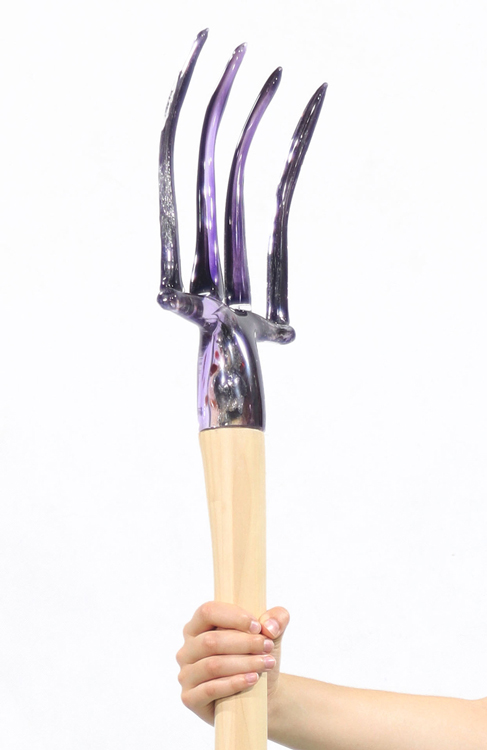
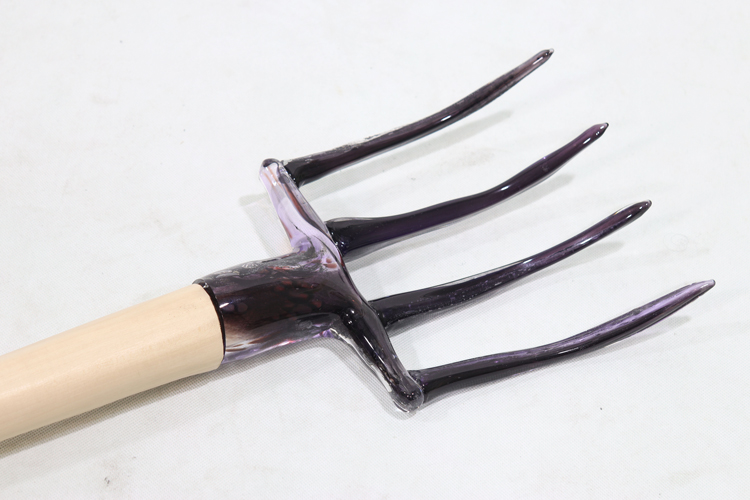
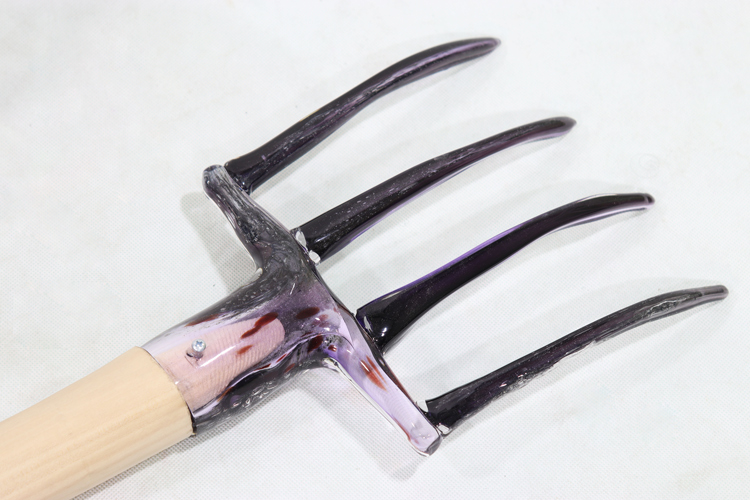
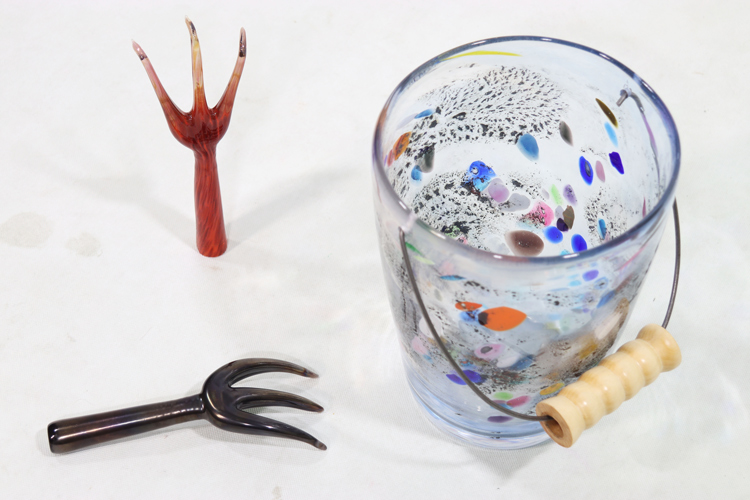
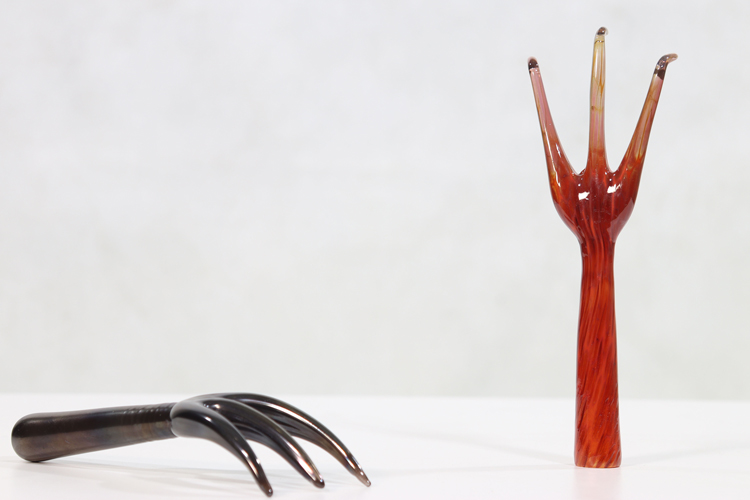
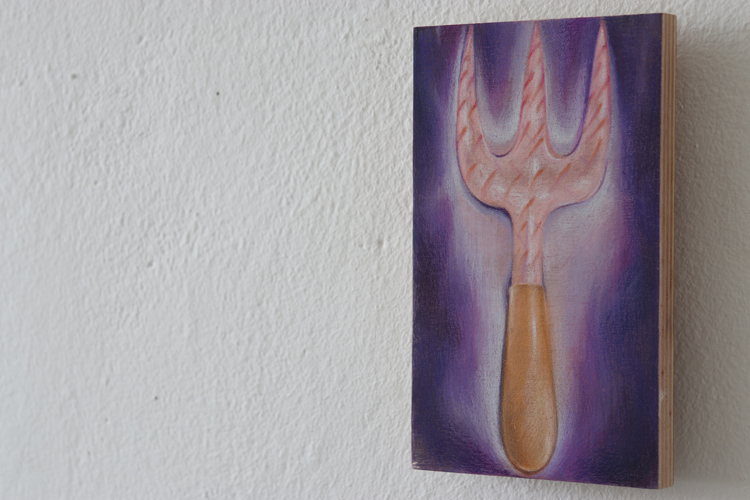
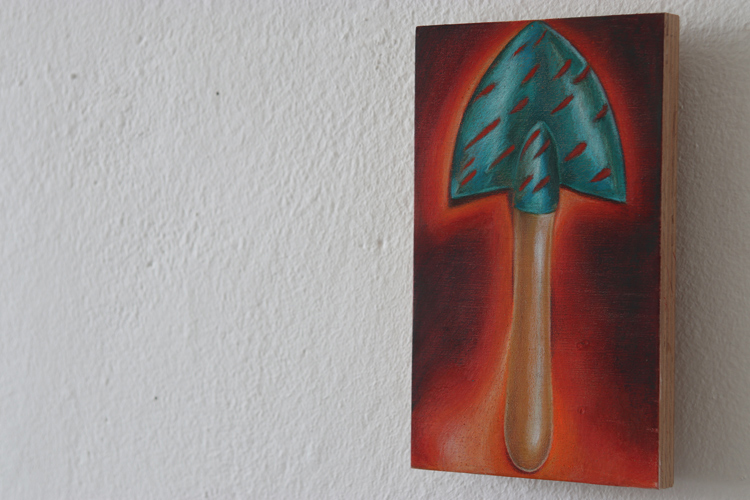
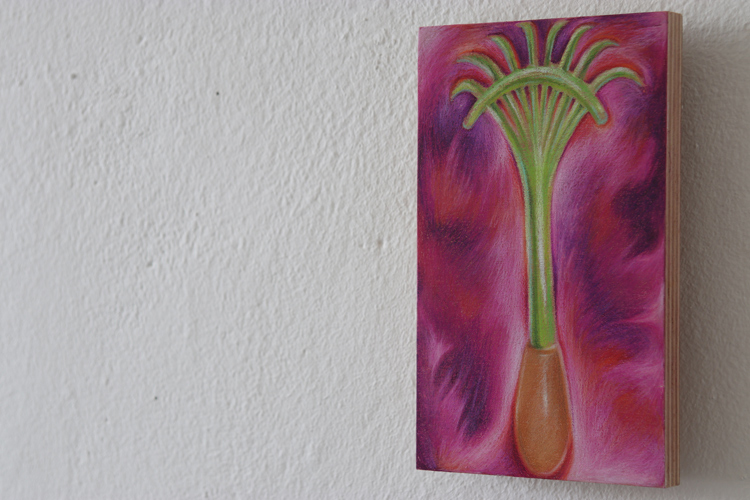
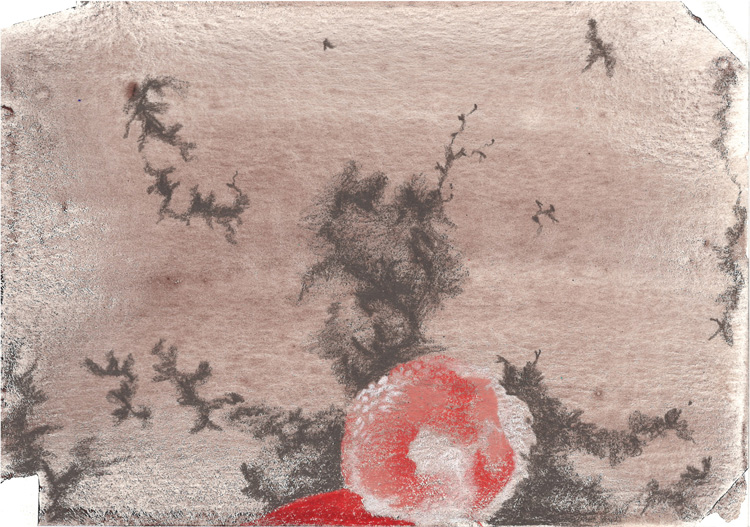
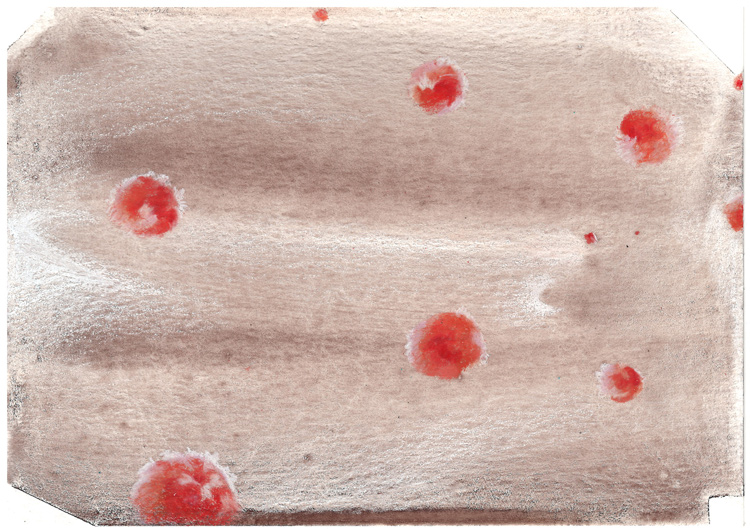
In the course of time, I also approached the theme of transformation from a different point of view, that of the metamorphosis of plants. However, even in this case, it is not an ordinary transformation, but the transformation of a plant into a tool. I have chosen as plants to be transformed those referred to as weeds, and I have further developed the idea of a kind of symbiosis between the destroyer and the destroyed, i.e. (in this case) the 'weeder' and the weed.
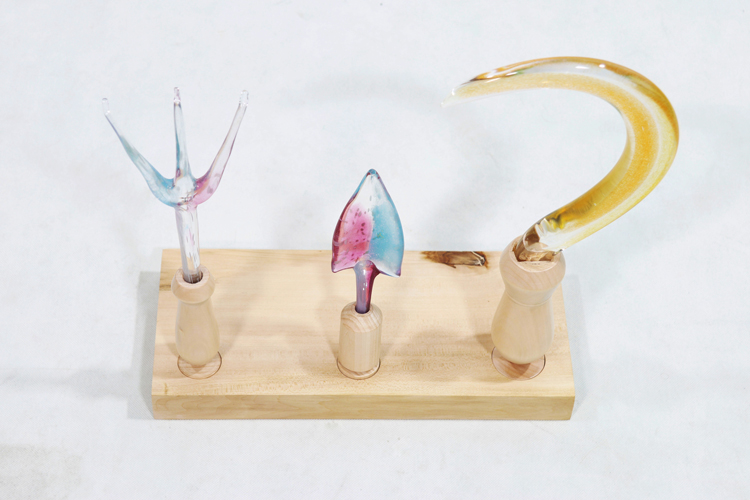
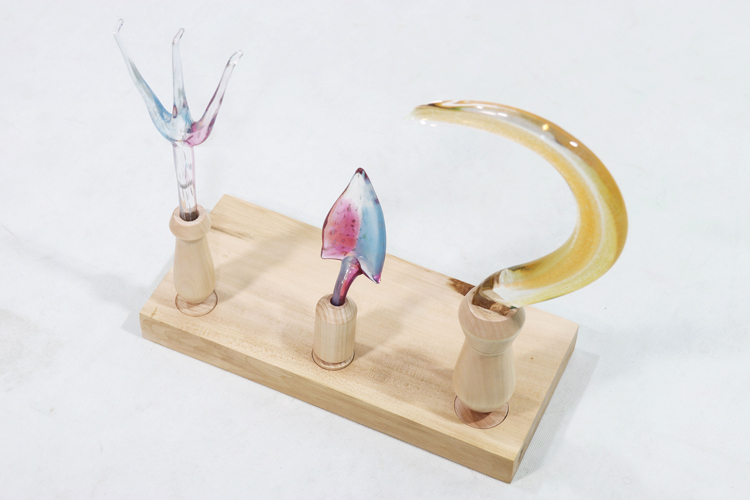
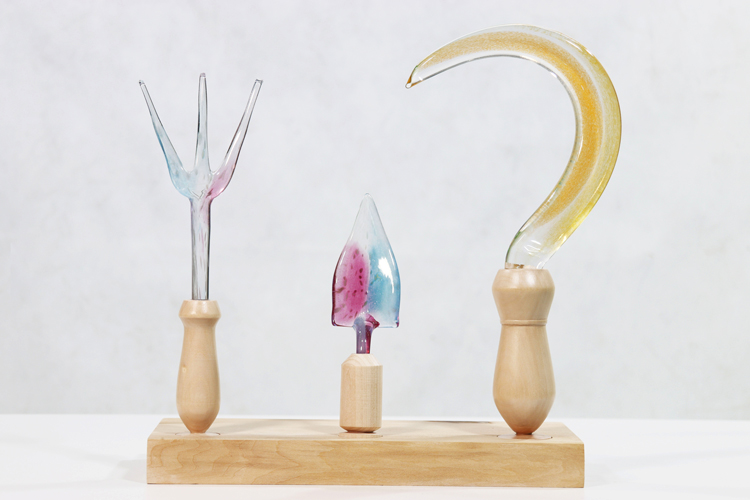
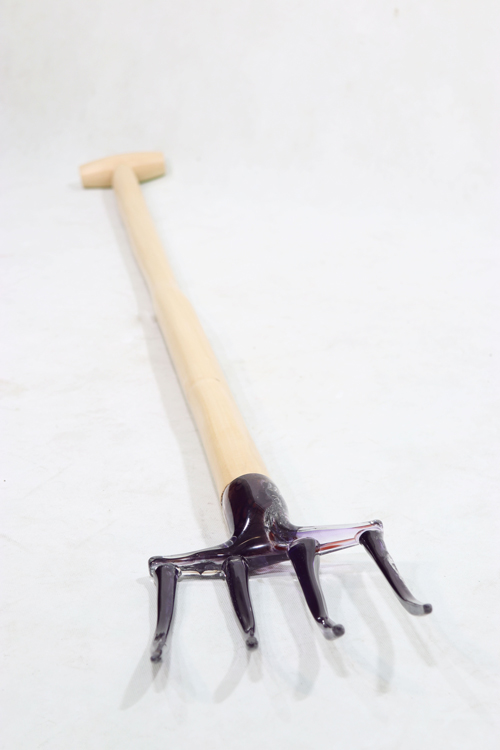
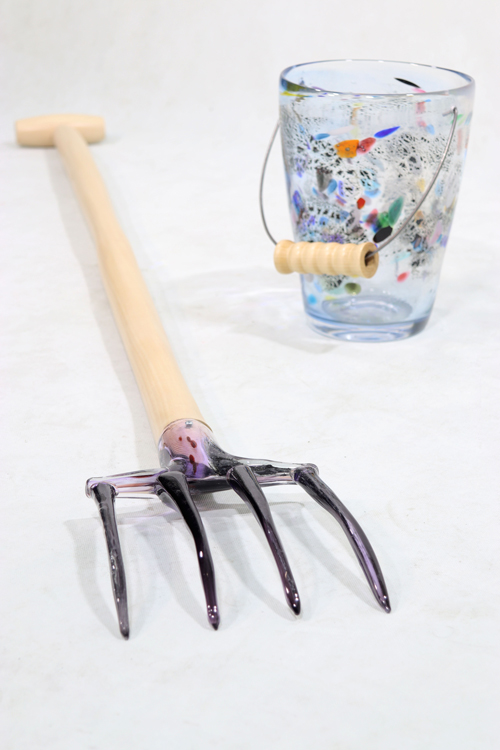
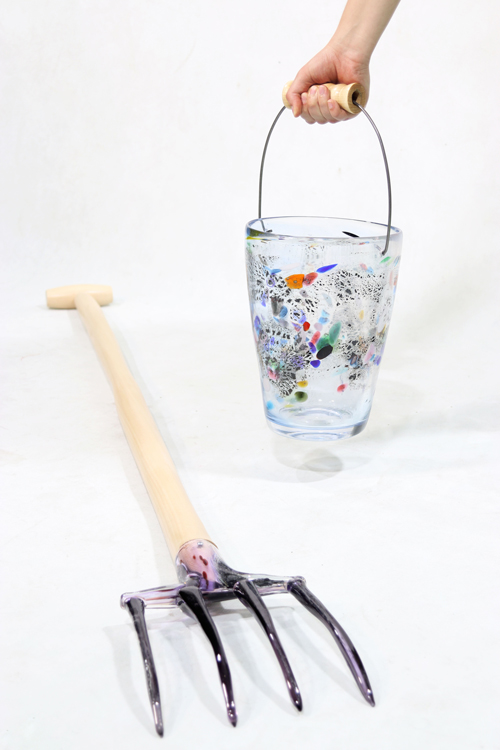
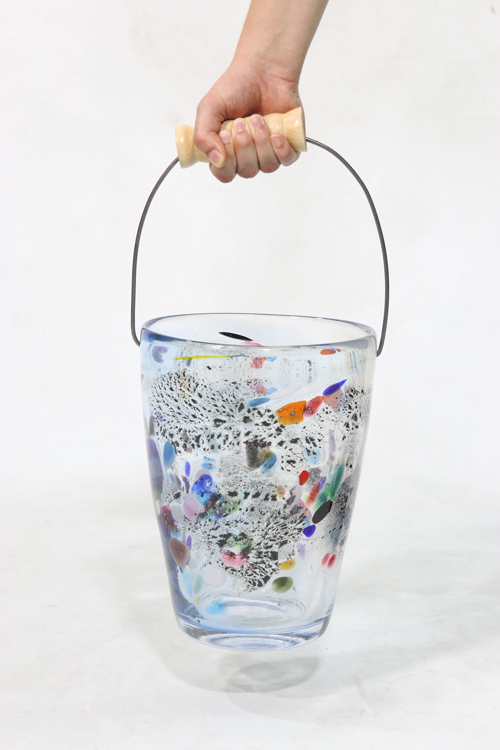
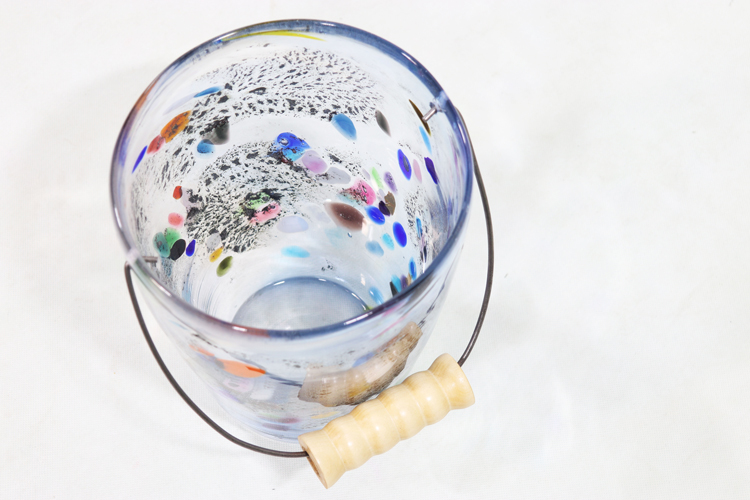
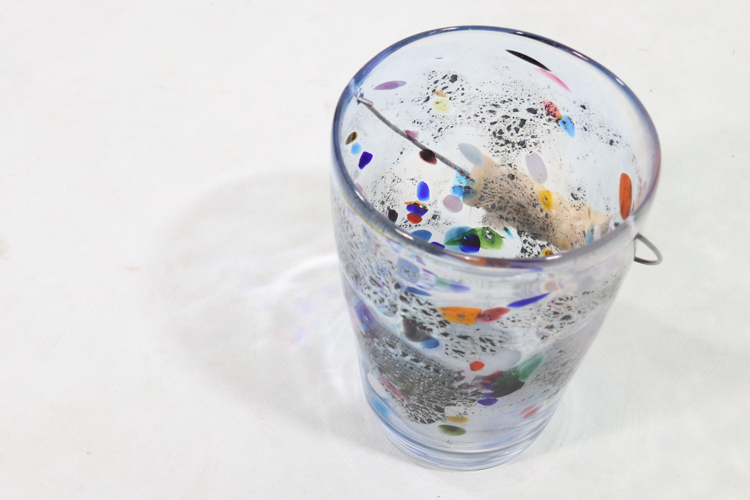
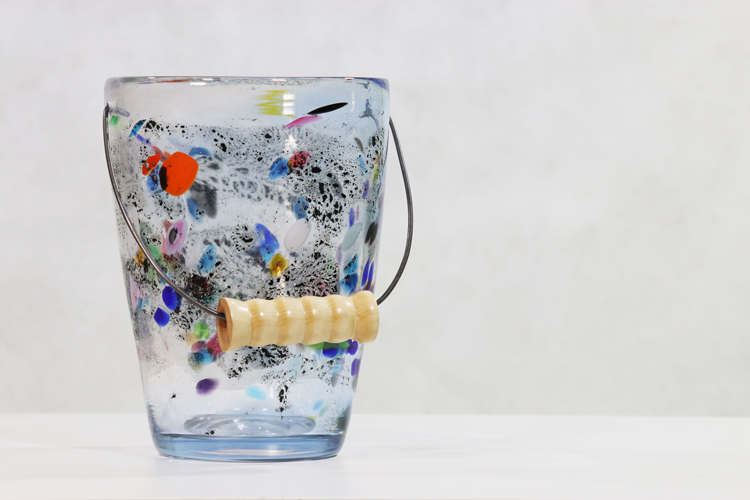
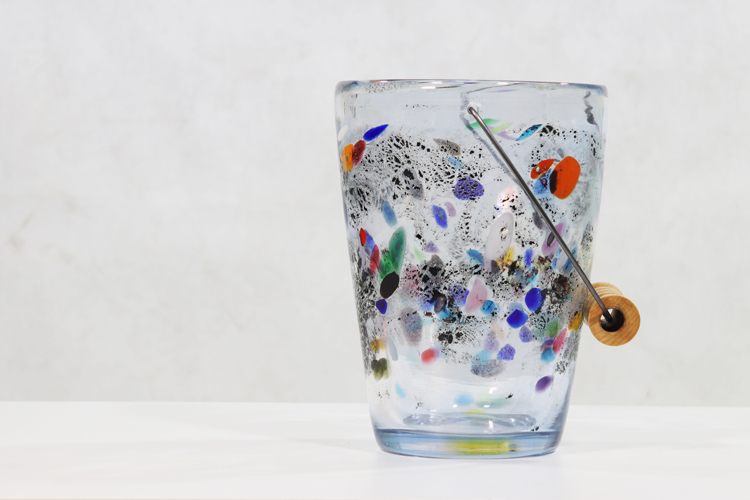
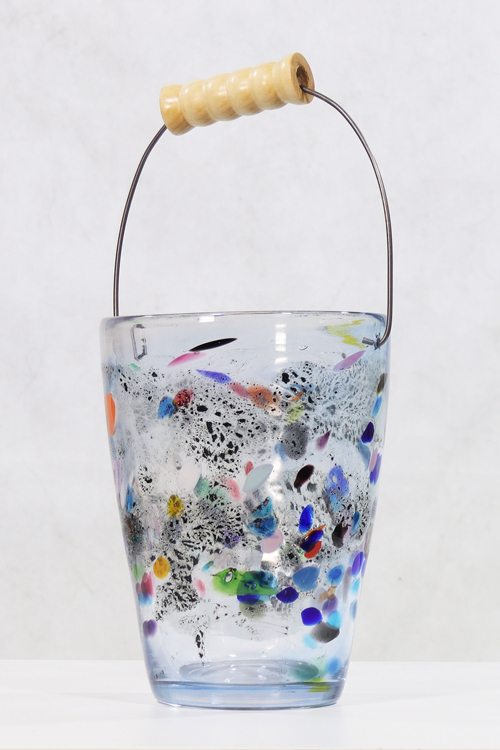
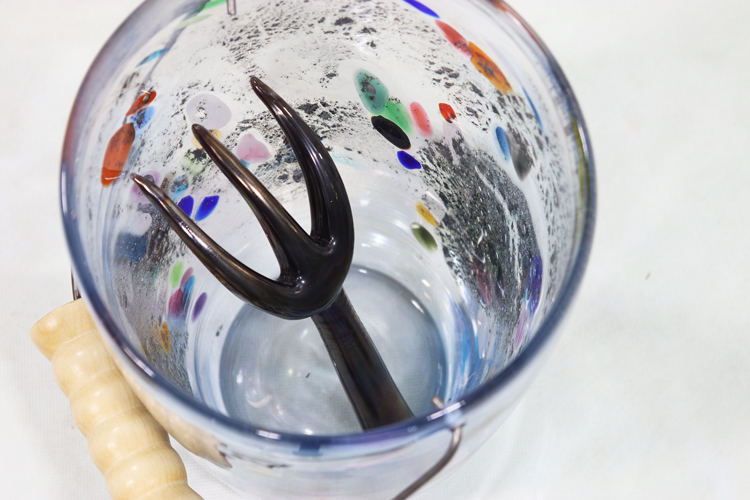
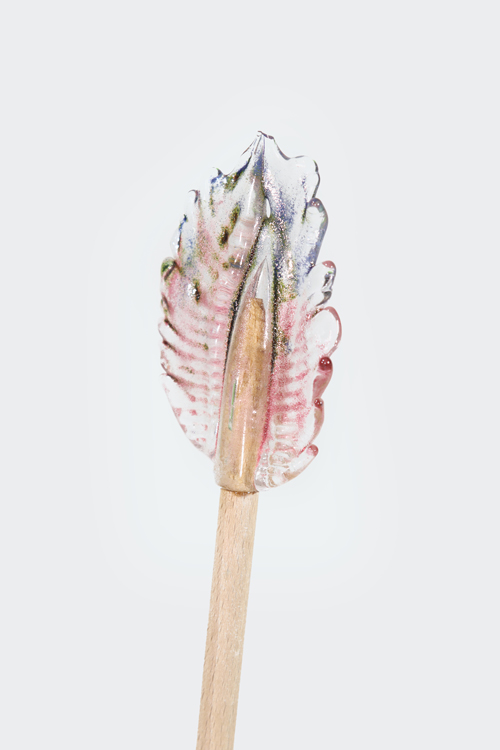
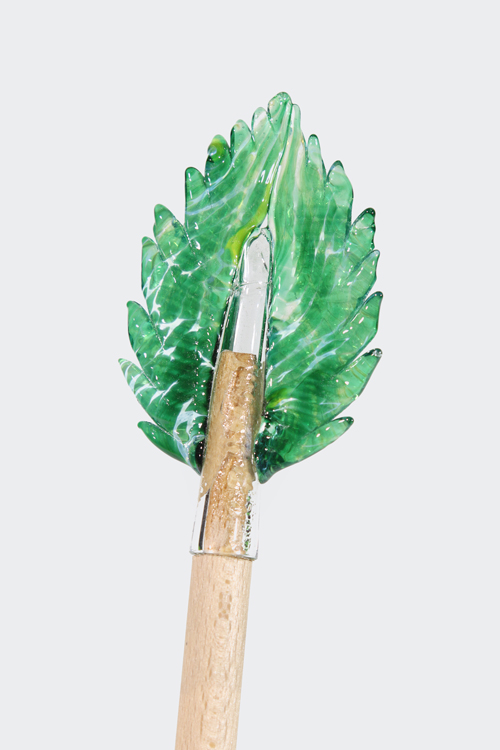
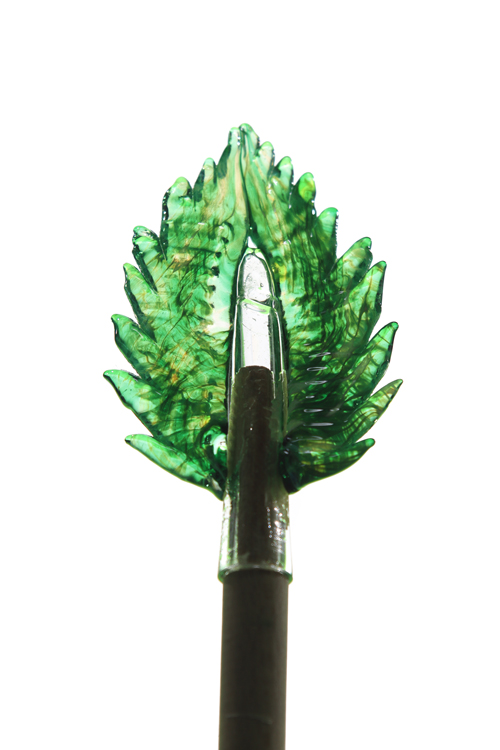
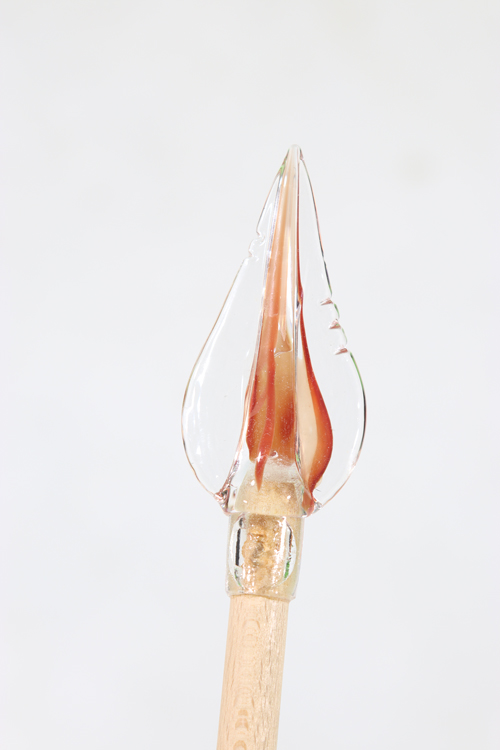
Since autumn last year, a series of glass tools has been produced. I first created this series of objects as a workshop of Christ the Gardener, they were to be specifically very fragile objects, which, however, have the form of tools for manual work, and therefore to some extent deny themselves. However, my thinking about these objects began to shift, and they gradually revealed their dual nature. They are fragile tools on the one hand, but also colourful flowers on the other.
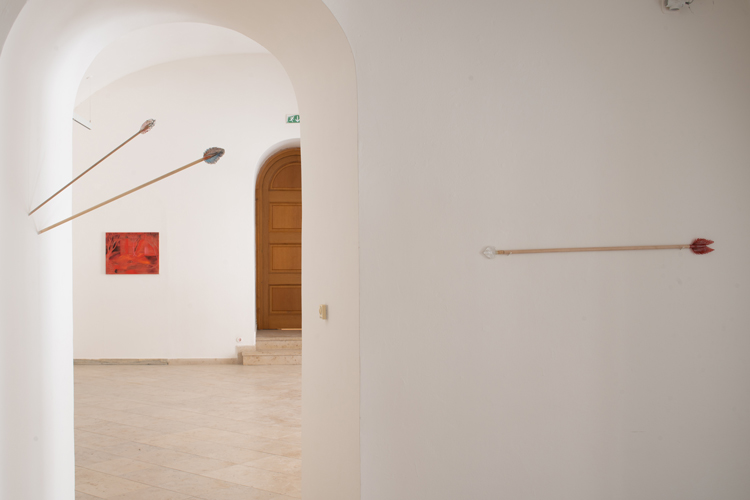
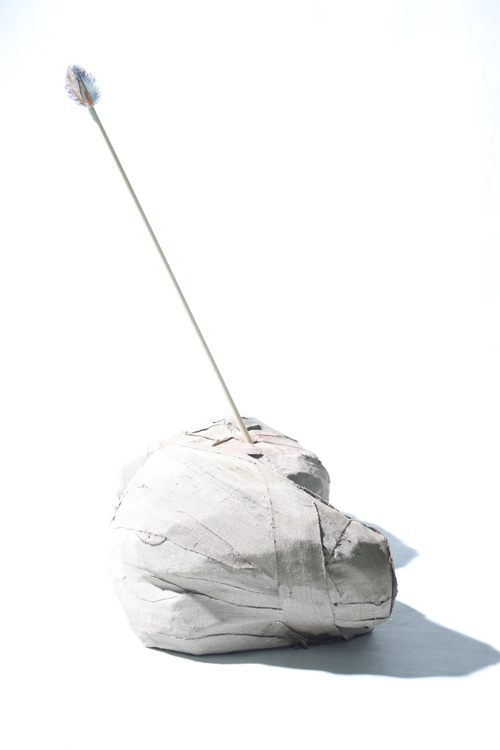
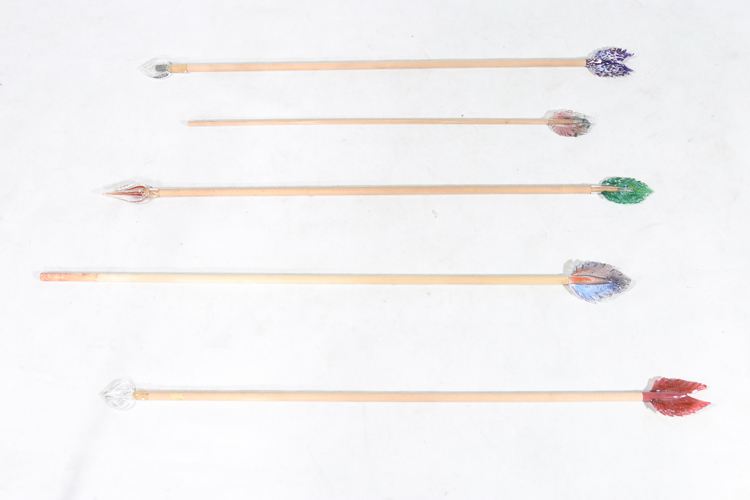
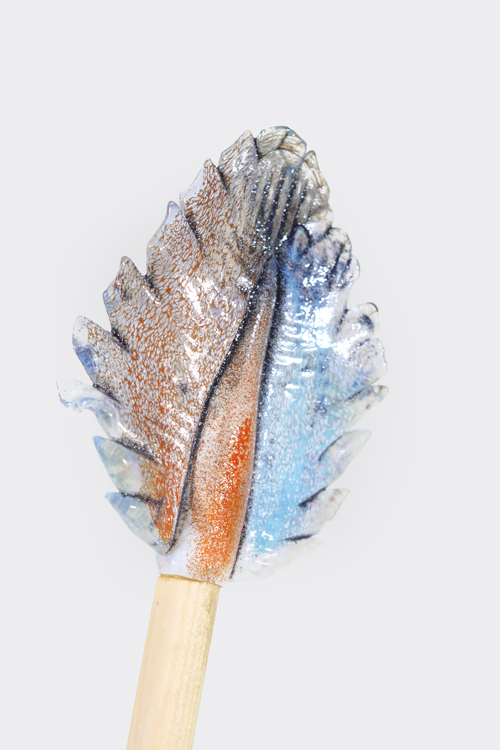
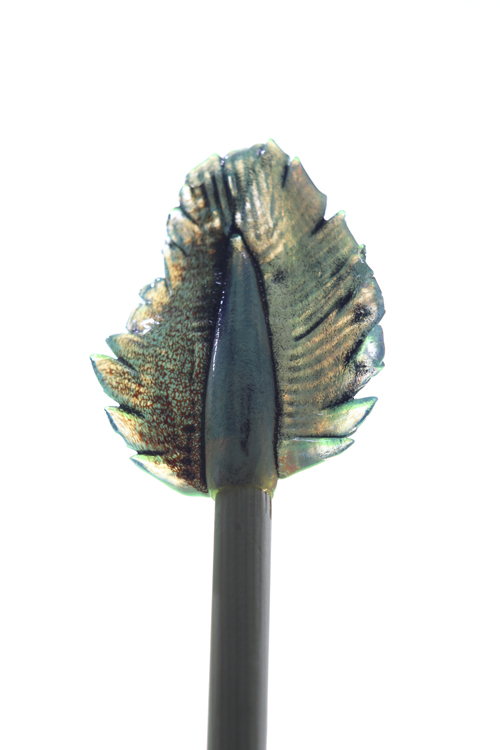
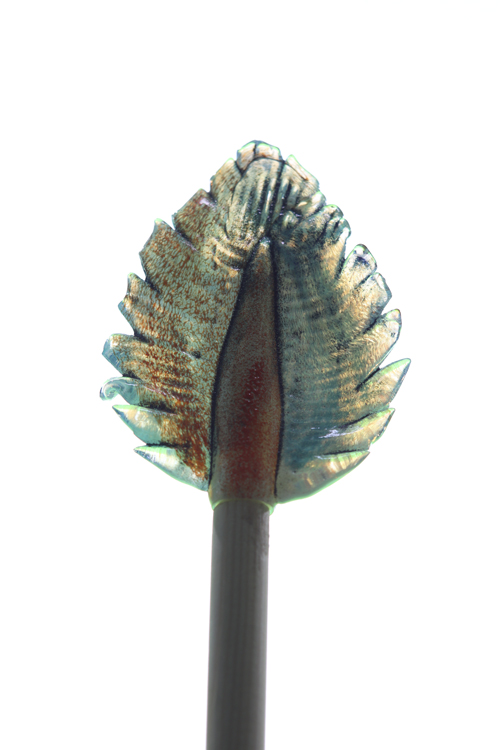
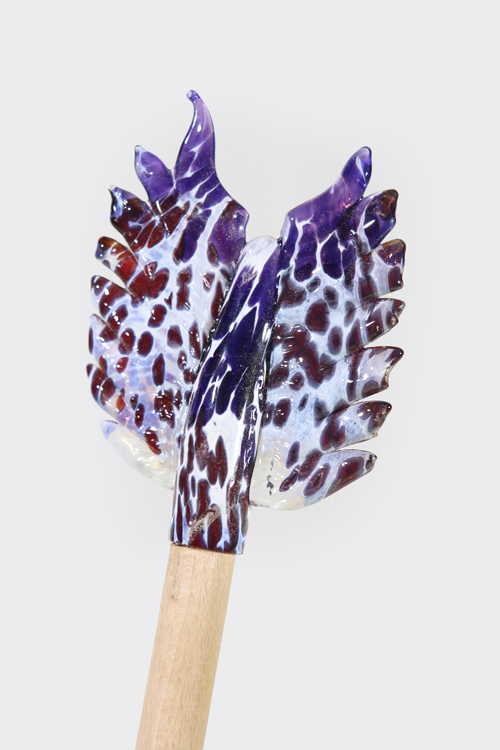
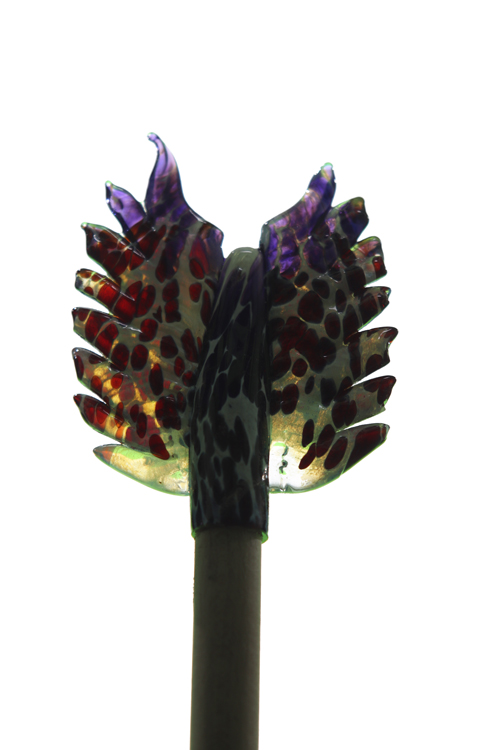
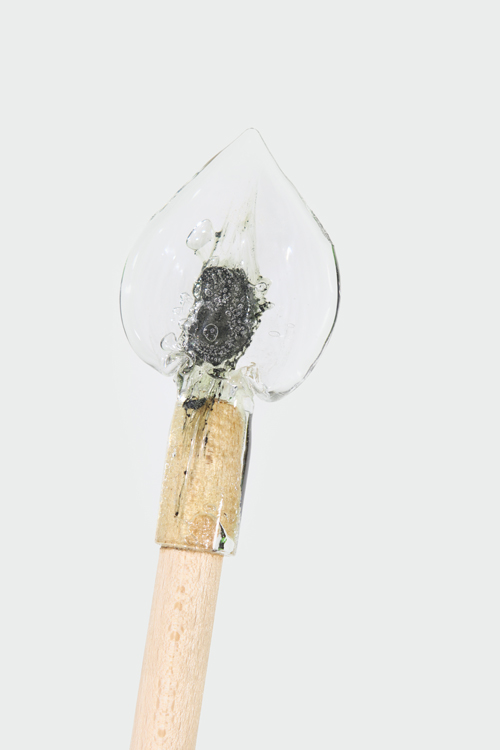
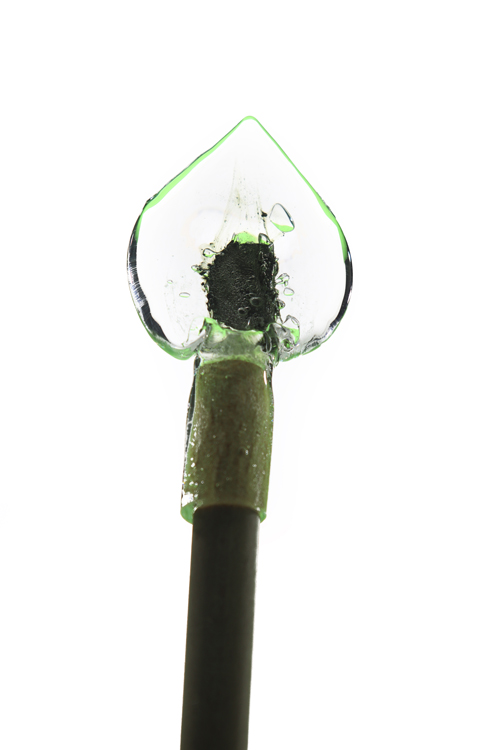
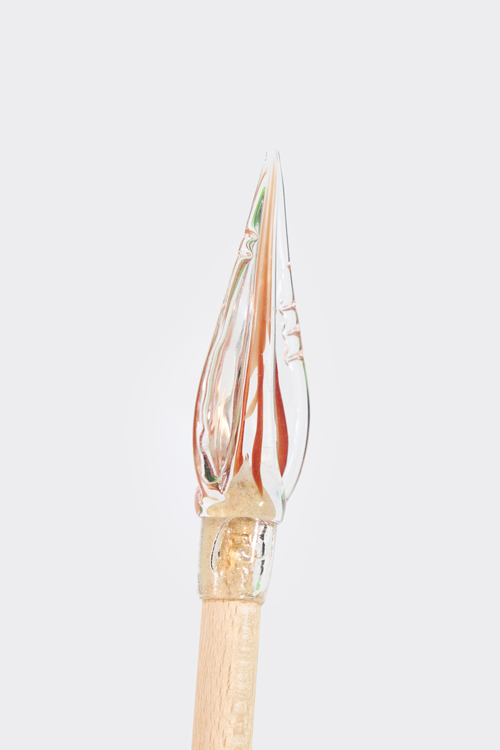
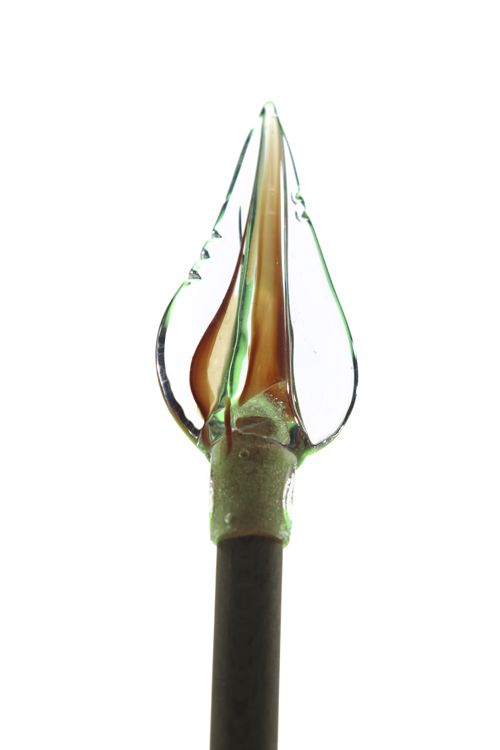
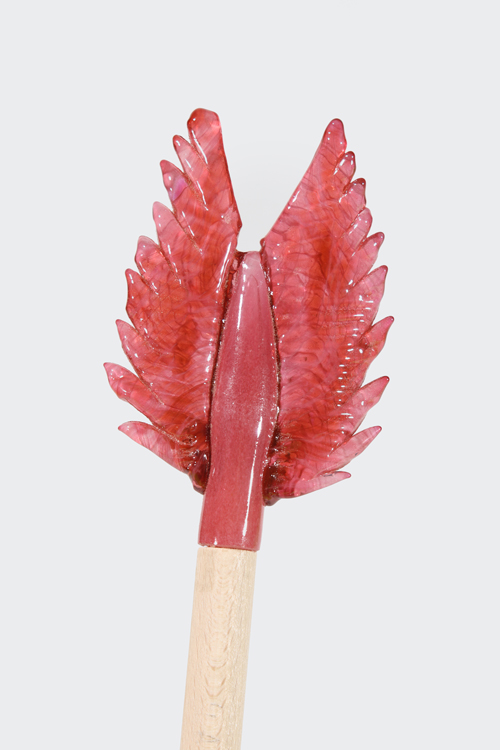
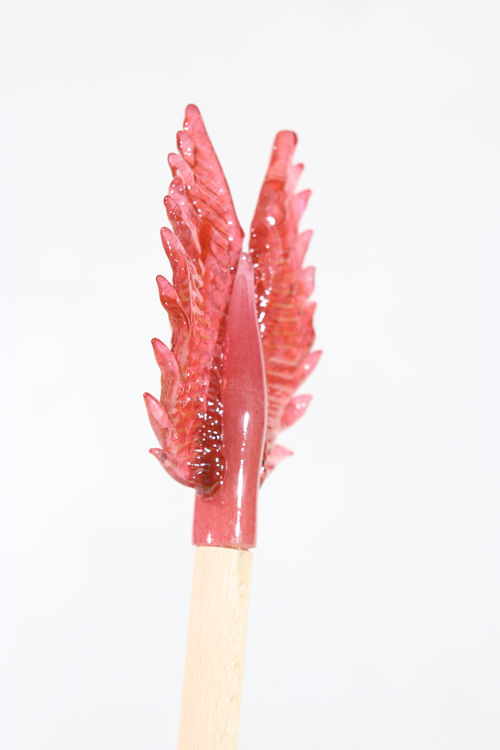
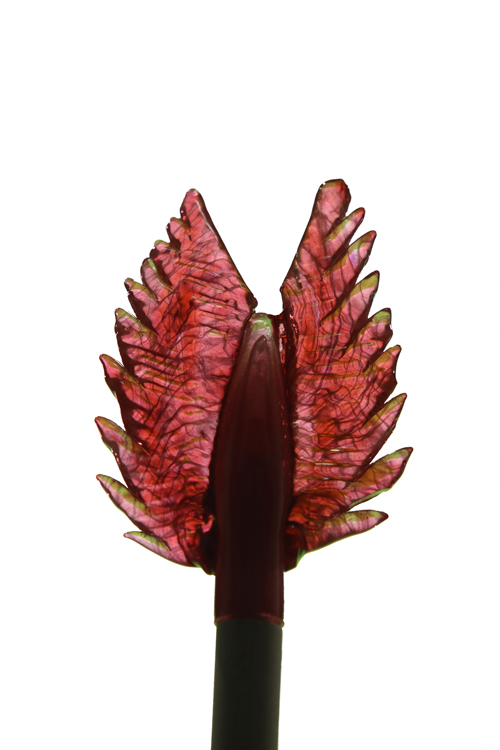
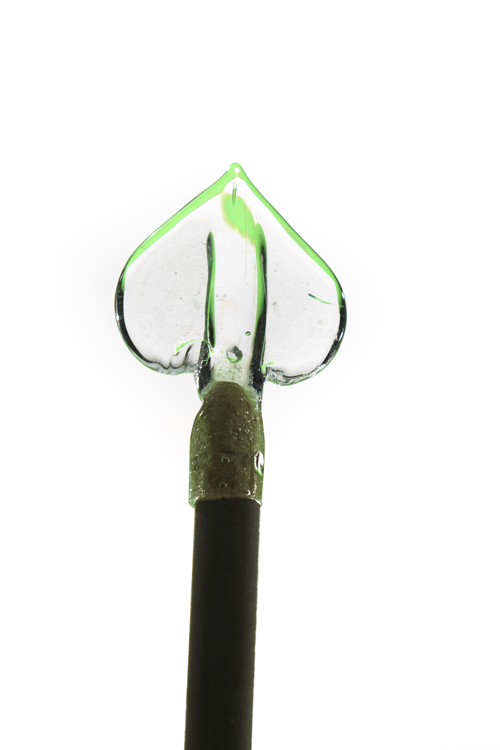
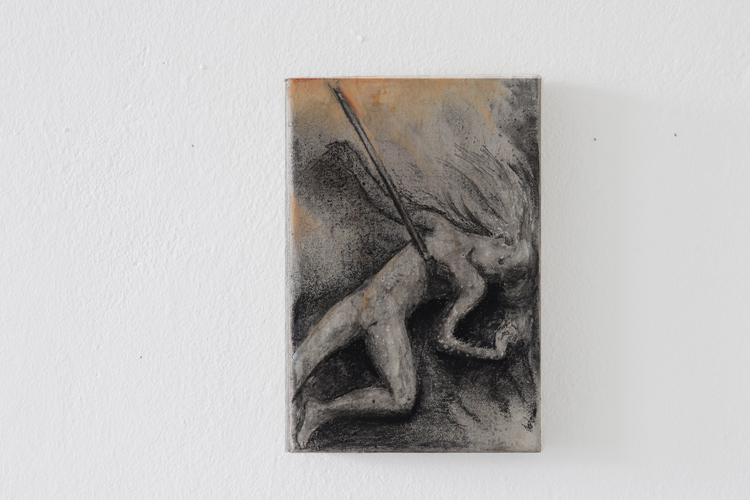
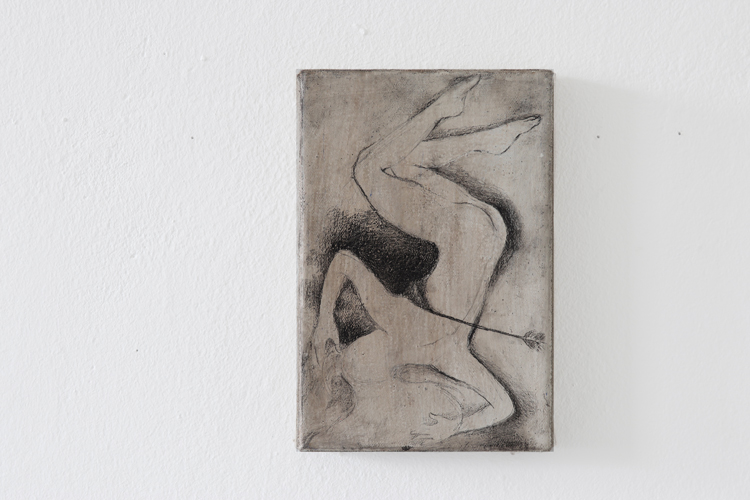
On a similar principle to glass tools, glass arrows began to emerge. These works are also a combination of two materials, wood and glass. Here, however, it is a thematically different concept, namely transformation in the sense of Ovid's Metamorphoses, specifically the story of the raven, which features Apollo and his arrow that pierced Coronis, Apollo's unfaithful mistress.
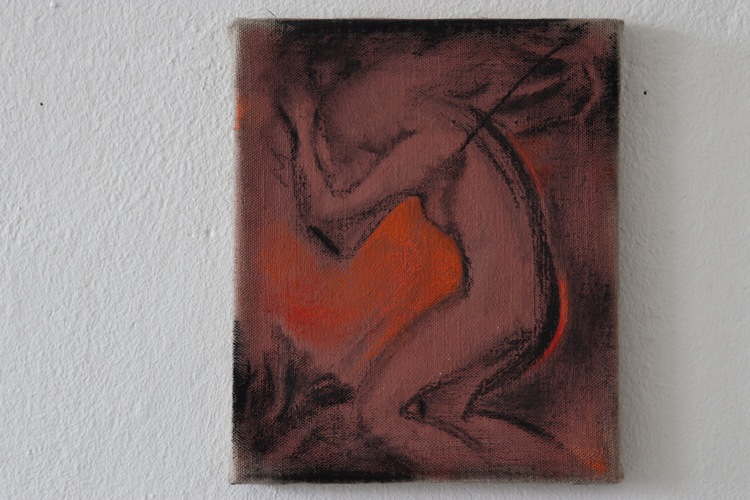
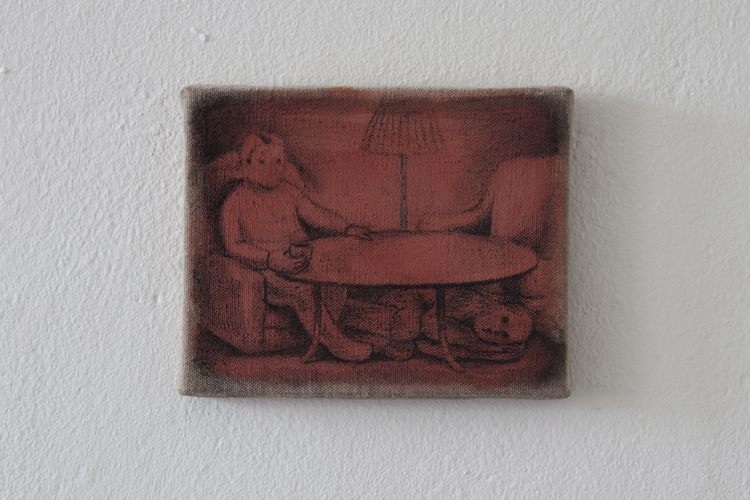
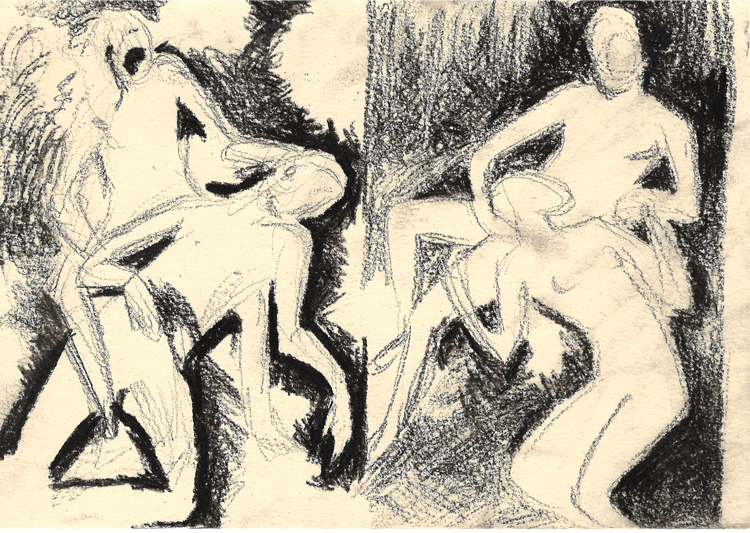
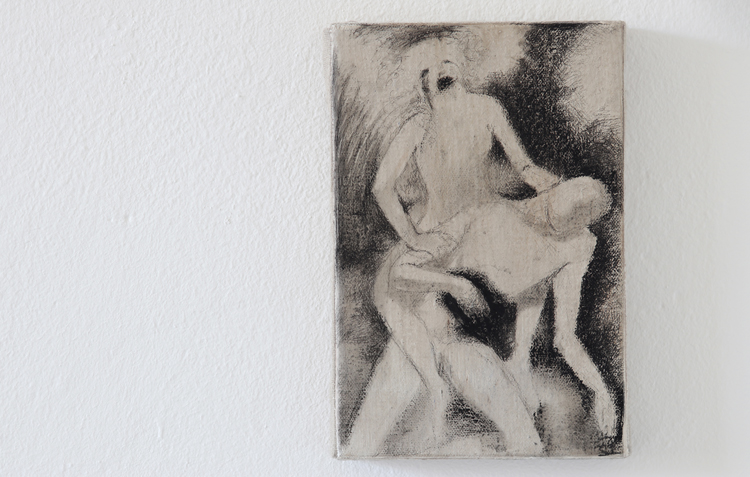
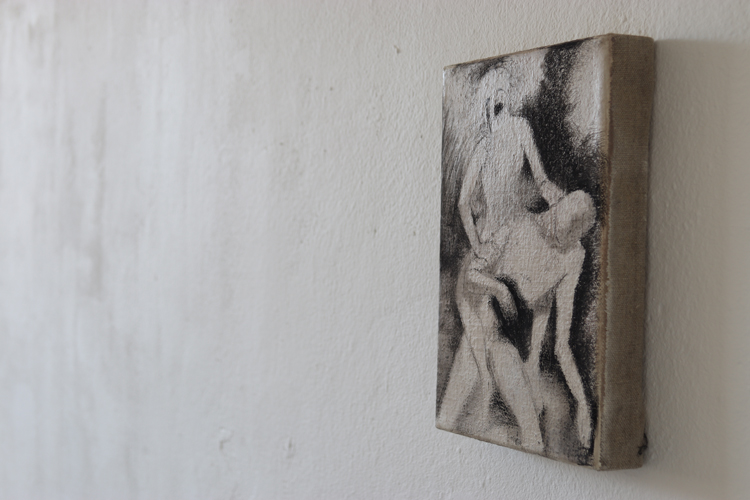
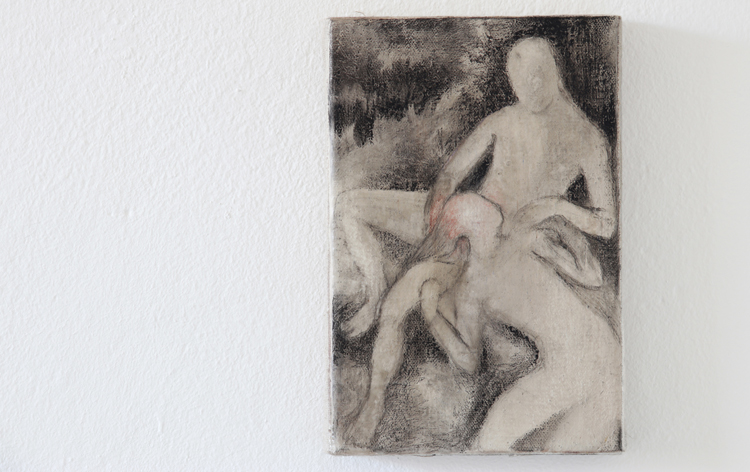
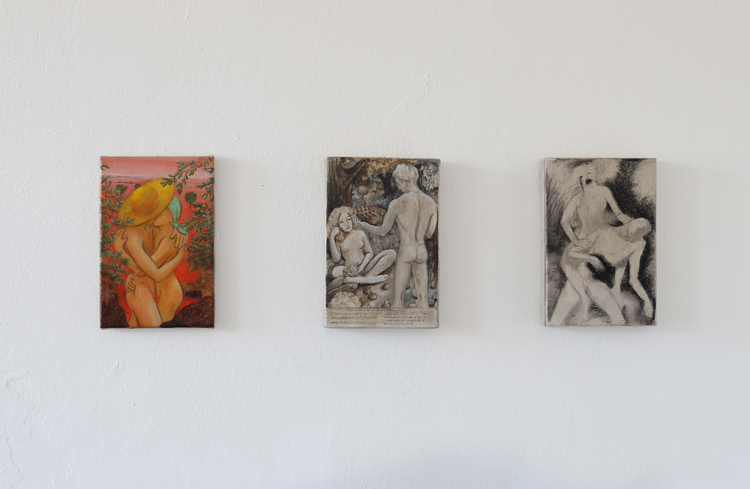
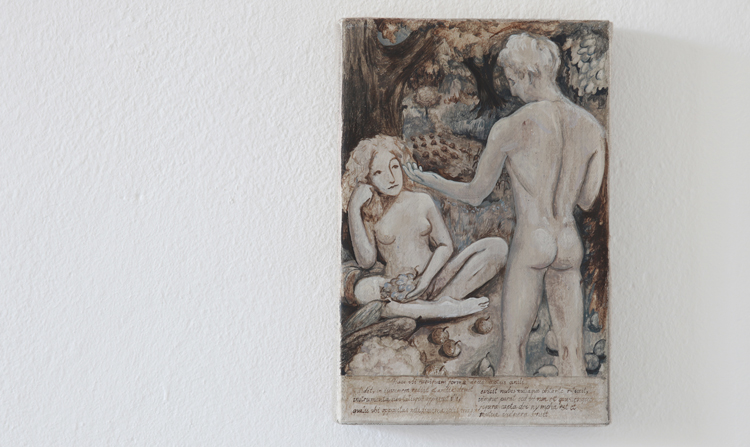
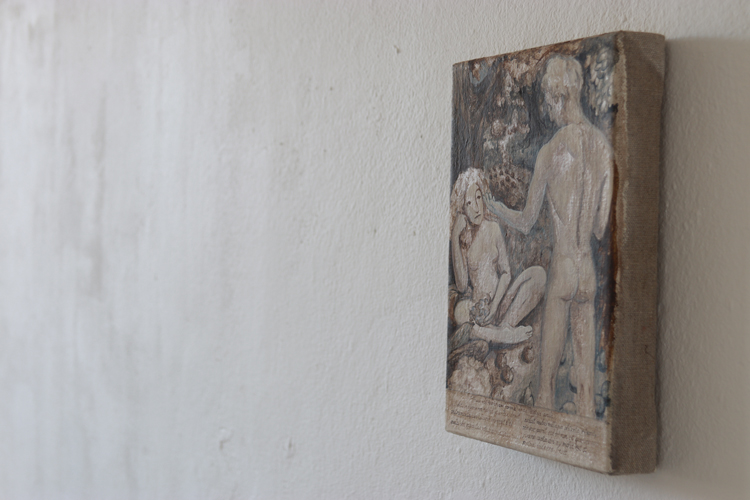
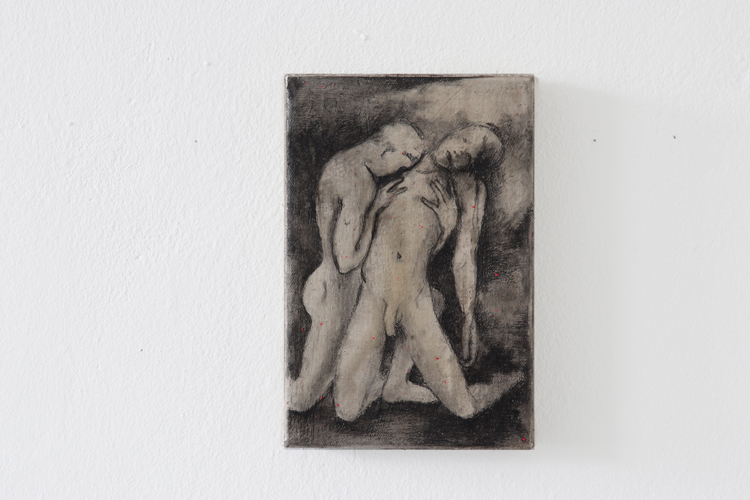
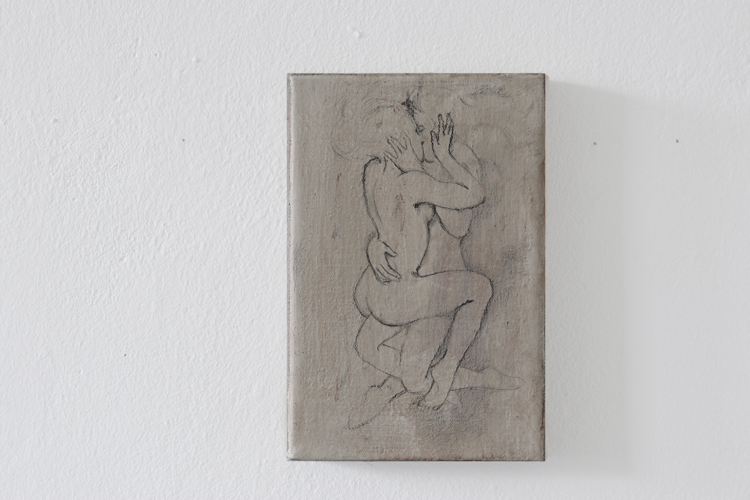
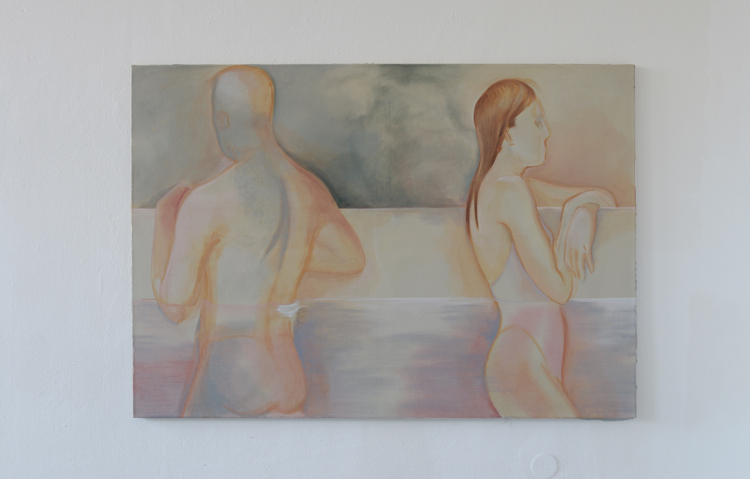
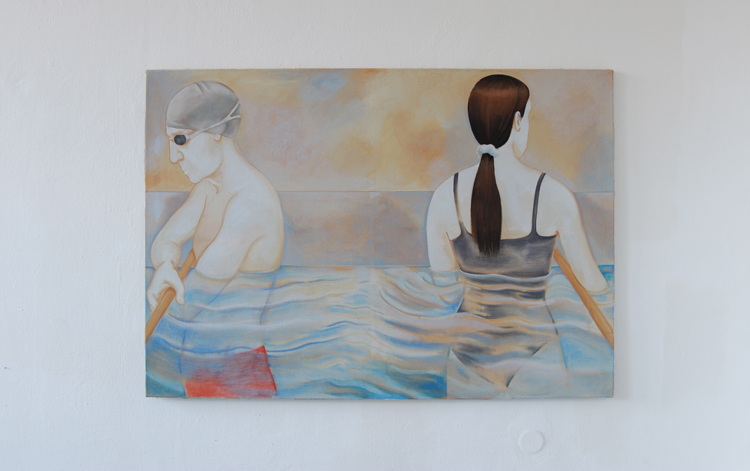
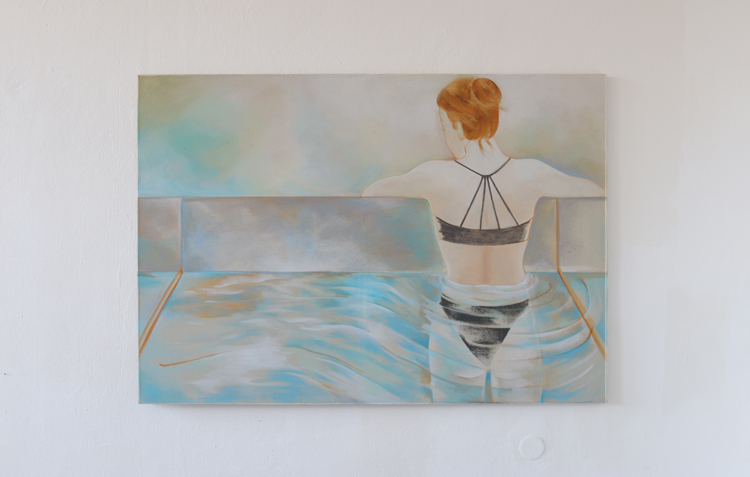
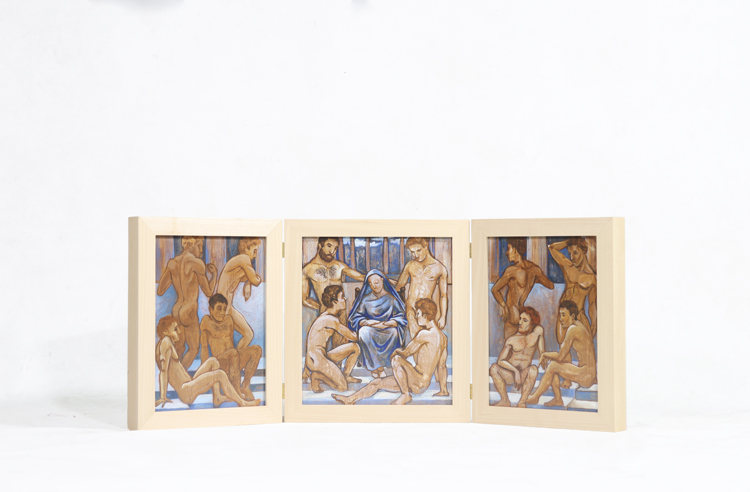
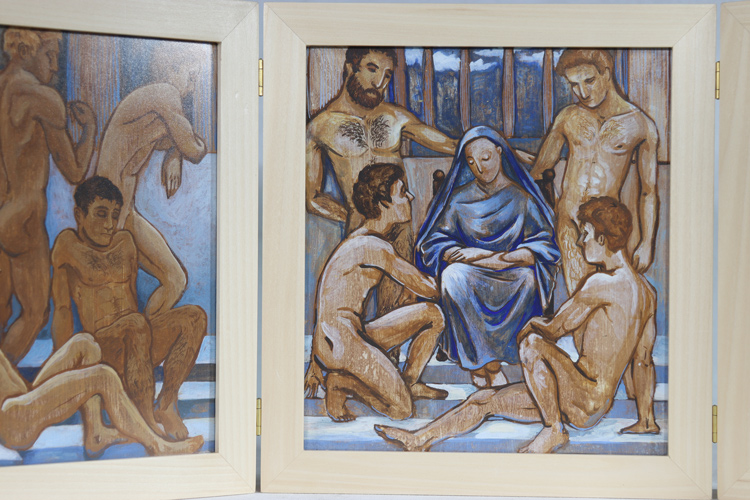
One of the oldest parts of the thesis is a series of drawings on canvas relating to specific stories of Ovid's Metamorphoses such as Venus and Adonis, Kephalos and Prokris and others. This series coincides in time with the ''Estrangement'' series of paintings dealing with the motif of the swimmers. The very beginnings of the work on the chosen theme of the diploma thesis is the Triptych dedicated to Virgin Mary among the Apostles.
.JPG)